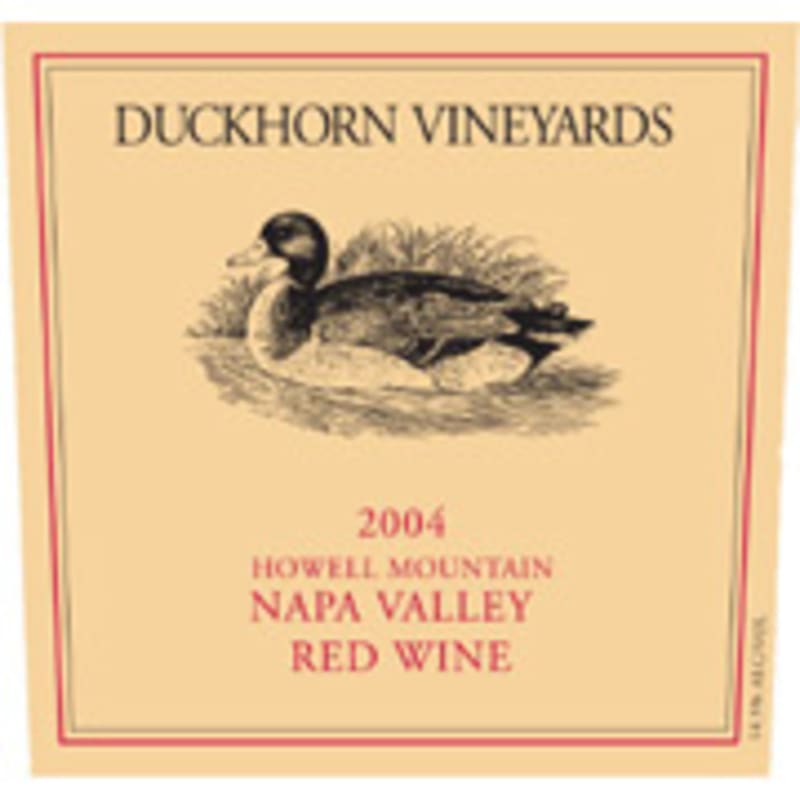

Winemaker Notes
Beginning with the 2004 vintage, we are pleased to return to our roots and will once again be releasing this sought-after bottling as our Howell Mountain Napa Valley Red Wine. What's in a name? A lot. This new name will give us enhanced freedom to create the best blend possible each vintage (without worrying about percentages) from the four Bordeaux varietals grown on our Stout and Candlestick Ridge estate vineyards. We believe this approach offers us greater latitude to capture the flavorful diversity of this one-of-a-kind winegrowing region.
This Napa Valley Red Wine reflects the power and intensity of its rugged, high elevation terroir, displaying excellent structure, strong tannins and a complex undercurrent of earthy minerality. Featuring extracted aromas of dark chocolate, mulled fruit and spice, this robust wine also offers savory hints of porcini and soy. On the palate, mouth-filling flavors of blackberry, black currant, mocha and menthol are accentuated by hints of lavender, graphite, herbs and sweet oak.
Professional Ratings
-
Wine Enthusiast
Almost entirely Merlot, with a few drops of other Bordeaux varieties, this Howell Mountain red screams for time in the cellar. The tannins bite and dog the mouth through the long, astringent finish. But chew on it for a while and you hit a deep core of blackberries and currants, and the more the wine warms up in the glass, the more impressive it gets. Cellar until 2010, and it should reward for years after.


Undoubtedly proving its merit over and over, Napa Valley is a now a leading force in the world of prestigious red wine regions. Though Cabernet Sauvignon dominates Napa Valley, other red varieties certainly thrive here. Important but often overlooked include Merlot and other Bordeaux varieties well-regarded on their own as well as for their blending capacities. Very old vine Zinfandel represents an important historical stronghold for the region and Pinot noir is produced in the cooler southern parts, close to the San Pablo Bay.
Perfectly situated running north to south, the valley acts as a corridor, pulling cool, moist air up from the San Pablo Bay in the evenings during the hot days of the growing season, which leads to even and slow grape ripening. Furthermore the valley claims over 100 soil variations including layers of volcanic, gravel, sand and silt—a combination excellent for world-class red wine production.