


Winemaker Notes
Deep, intense ruby red with purple tinges. Complex and quite elegant on the nose, with notes of red berries, such as sour cherry and raspberry, along with notes of vanilla and hints of spices due to ageing in barriques Great, elegant, and harmonious structure, characterised by smooth and velvety tannins.
Ideal with grilled and braised red meats and game. Excellent with medium and mature cheeses.
Professional Ratings
-
Wine Enthusiast
A varied nose begins with vanilla and cedar, then evolves into a tangy fruitiness balanced by savory notes of raw meat and balsamic vinegar. Freeze-dried strawberries and cherry pie on the palate give way to dark chocolate and a kick of spice on the finish. This all makes for a juicy, bright and fun wine, even as it shows depth and seriousness.
-
Robert Parker's Wine Advocate
Now registered in the Sicilia DOC appellation, the Duca di Salaparuta 2018 Sicilia Nero d'Avola Duca Enrico (in a heavy glass bottle) shows sour fruit with tart cherry and blackberry. With rainy weather, this was not a great vintage anywhere on the island. Aged in French oak for 18 months, the wine is heavy on oak tones of redwood and cedar, although you will encounter varietal tones of aniseed and black olive.



Founded in 1824, Duca di Salaparuta stands as one of Sicily's most historic and influential wineries, helping elevate the island from bulk-wine production to a respected fine-wine region. The estate cemented its legacy in 1984 with the release of Duca Enrico, Sicily's first 100% Nero d'Avola and the first wine south of Tuscany to earn the Tre Bicchieri Award, marking a turning point in Sicilian wine history. Today, as Sicily's largest private winery, Duca di Salaparuta remains future-focused, championing innovation, sustainability, and cultural stewardship across its three estates, while protecting the balance and longevity of the traditions that define its roots.

Boldly opulent and robust, Nero d’Avola is Sicily’s most widely planted red grape. Nero d’Avola performs well both as a single varietal bottling and in blends. It loves hot, arid climates and Sicily's old vines are aptly head-trained close to the ground, making them resistant to strong winds. A few pioneering producers in California as well as Australia farm Nero d’Avola in the same way. Somm Secret—Nero d’Avola's other name, Calabrese, suggests origins from the mainland region of Calabria.

A large, geographically and climatically diverse island, just off the toe of Italy, Sicily has long been recognized for its fortified Marsala wines. But it is also a wonderful source of diverse, high quality red and white wines. Steadily increasing in popularity over the past few decades, Italy’s fourth largest wine-producing region is finally receiving the accolades it deserves and shining in today's global market.
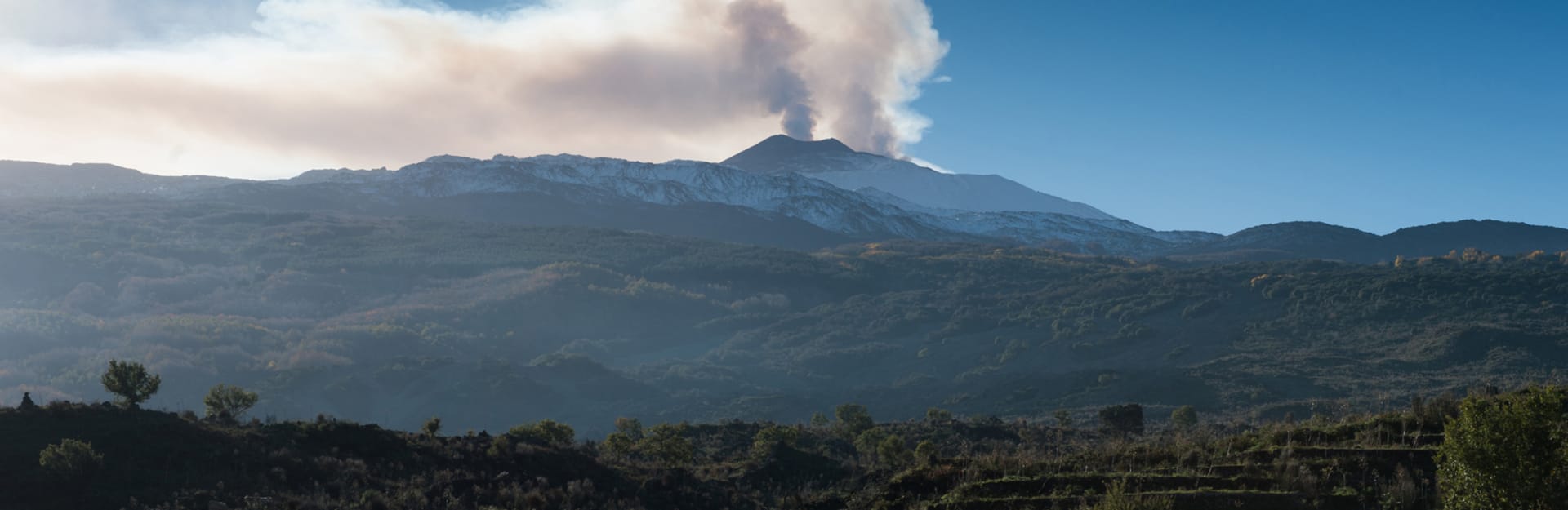
Though most think of the climate here as simply hot and dry, variations on this sun-drenched island range from cool Mediterranean along the coastlines to more extreme in its inland zones. Of particular note are the various microclimates of Europe's largest volcano, Mount Etna, where vineyards grow on drastically steep hillsides and varying aspects to the Ionian Sea. The more noteworthy red and white Sicilian wines that come from the volcanic soils of Mount Etna include Nerello Mascalese and Nerello Cappuccio (reds) and Carricante (whites). All share a racy streak of minerality and, at their best, bear resemblance to their respective red and white Burgundies.
Nero d’Avola is the most widely planted red variety, and is great either as single varietal bottling or in blends with other indigenous varieties or even with international ones. For example, Nero d'Avola is blended with the lighter and floral, Frappato grape, to create the elegant, Cerasuolo di Vittoria, one of the more traditional and respected Sicilian wines of the island.
Grillo and Inzolia, the grapes of Marsala, are also used to produce aromatic, crisp dry Sicilian white. Pantelleria, a subtropical island belonging to the province of Sicily, specializes in Moscato di Pantelleria, made from the variety locally known as Zibibbo.