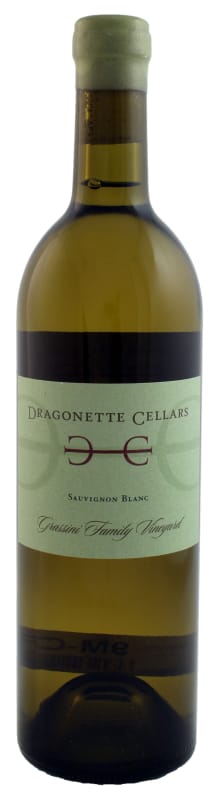


Winemaker Notes
We believe that Sauvignon Blanc is one of the great white wine grapes of the world, and we aim to produce reference point wines from this varietal. We have found that the Happy Canyon area of Santa Barbara County is particularly well suited to this noble grape. Happy Canyon’s unique soils (serpentinite) and climate - warm to hot summer daytime high temperatures and cool to cold evening lows – create wines demonstrating riper spectrum fruit flavors balanced by vibrant refreshing acidity.
Professional Ratings
-
Jeb Dunnuck
More steely, grassy notes emerge from the 2018 Sauvignon Blanc Grassini Family Vineyard, a much smaller production release that saw 16 months in 20% new French oak. Plenty of stone fruits, sappy herbs, peach, and wet stone notes develop with time in the glass, and it's medium to full-bodied, with a rounded, elegant texture, beautiful purity, and a great finish. It can be enjoyed any time over the coming 10-15 years.
-
Wine Enthusiast
There's an underlying grassy tone to the nose of this bottling, yet the tropical-flower, guava and white-fleshed-fruit aromas dominate. The palate is rounded with flavors of passionfruit-orange-guava juice that ride a creamy texture.


Capable of a vast array of styles, Sauvignon Blanc is a crisp, refreshing variety that equally reflects both terroir and varietal character. Though it can vary depending on where it is grown, a couple of commonalities always exist—namely, zesty acidity and intense aromatics. This variety is of French provenance. Somm Secret—Along with Cabernet Franc, Sauvignon Blanc is a proud parent of Cabernet Sauvignon. That green bell pepper aroma that all three varieties share is no coincidence—it comes from a high concentration of pyrazines (herbaceous aromatic compounds) inherent to each member of the family.

On the eastern end of the Santa Ynez Valley, the rolling hills of the tiny Happy Canyon AVA produce top quality reds from Cabernet Sauvignon, Cabernet Franc, Syrah and whites from Sauvignon blanc. The region’s low-nutrient soil grows smaller vines and in turn, higher quality wine grapes.