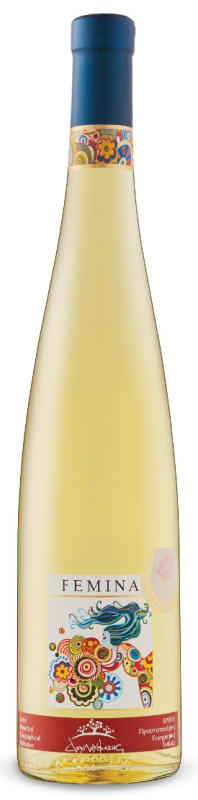


Winemaker Notes
Professional Ratings
-
Robert Parker's Wine Advocate
It has come along brilliantly. A bit amber in color, it is piercing on opening, with that tightly wound, hard edged and high acid demeanor that I originally noted. Pulling it out of the fridge and sampling it quickly made it seem quite shrill. As it warmed and got closer to 60F, though, it became increasingly delicious, full bodied, aromatic and rather complex. It is a mouthful, powerful and intense—not your easy, fruity summer sipper, but a great food wine. It is more proof of the adage that people drink big whites too cold. And this is a big white. It reminded me a bit of a dry and steely Alsace Riesling (an analogy to structure and style, not flavor and aromatics, of course). Most of all, it was invigorating while increasingly expressive as it aired out. I played with this over 3 days. It never faltered, not for a moment. The combination of acidity and concentration may preserve this well, if it can avoid oxidizing.


Persistent with jasmine aromas and tropical fruit flavors, both grape and name are far-reaching. Approximately 70 registered grapes contain Malvasia as part of their name or are listed as a synonym. The French call it Malvoisie, Germans call it Malvasier, British say Malmsey and confusingly one variety double-times under the alias, Boal, on the island of Madeira. In any case, Italy has more forms of Malvasia than any other country: Malvasia Bianca di Candia, Malvasia di Candia Aromatico and the red-skinned Malvasia di Casorzo from Piedmont. The list goes on. Somm Secret—The actual name could stem from an Italian mispronunciation of Monemvasia, a southern Greek port.

As one of Greece’s largest island’s, its wines enjoyed high glory during the Middle Ages. Today Crete is full of ambitious winemakers with the city of Heraklion as its viticultural hub.