


Winemaker Notes
With an intense ruby red color, Mille e Una Notte 2020 presents a complex bouquetcharacterized by notes of blackberries and current, fresh balsamic hints, spicy scentsof black pepper, and delicate nuances of sweet toasting. On the palate, it is widewith velvety tannins. It ends with notable persistence and captivating sapidity.
Excellent with roast and braised meat, first courses with ragù sauce and rack of lamb. Try it with tasty dishes of stewed fish. If served in large, big-bellied goblets it can be uncorked a few minutes before, otherwise a couple of hours earlier.
Professional Ratings
-
Robert Parker's Wine Advocate
One of Sicily's most beloved reds, the Donnafugata 2020 Sicilia Mille e Una Notte is Nero d'Avola with Petit Verdot, Syrah and a few other local grapes. All the fruit is selected from across the Rallo family's sprawling Contessa Entellina estate that counts 343 hectares of vines. This barrique-aged red offers lots of fruit weight and a full-bodied approach with dark fruit, dried blackberry, spice and sweet tobacco. This vintage offers especially supple tannins and lasting richness.
-
Vinous
The 2020 Mille e Una Notte opens with a basket of berries and spices, further complicated by shavings of cedar and minty herbs. It's silky yet sincere, with tart wild berry fruits and licorice underscored by saline minerals as a balsamic resonance forms toward the close. The 2020 finishes structured and long. Fine-tannins saturate the senses as savory herbs and hints of tart blackberry fade. Bury this deep in the cellar.
-
James Suckling
A complex red with aromas of licorice, black cherries, herbs and cocoa. Firm on the palate, with velvety tannins, a medium body and juicy acidity. Cloves and dark fruit on the pleasantly woody aftertaste.
-
Decanter
Mille e Una Notte is always a pleasure to drink. A deep and rich blend of Nero d'Avola, Syrah and Petit Verdot, the 2020 is a sapid and grippy concoction with spiced plum and blueberry in depth. It doesn't quite have the fragrance of the 2019, but it's a great effort nonetheless.
-
Wine Spectator
A round and balanced red, with fine, sculpted tannins enmeshed in a swathe of black cherry, plum sauce, herbed olive and paprika notes. Long and fresh, with hints of loamy earth and mocha lingering on the finish. Nero d'Avola, Petit Verdot and Syrah. Drink now through 2030.





In 1983, the experienced winegrowing couple Giacomo and Gabriella Rallo decided to invest in a new Sicilian project that they called “Donnafugata.” Their vision was to create a contemporary winegrowing operation based around three sites in western Sicily and to produce a range of international and indigenous variety wines to showcase the potential of Sicily.
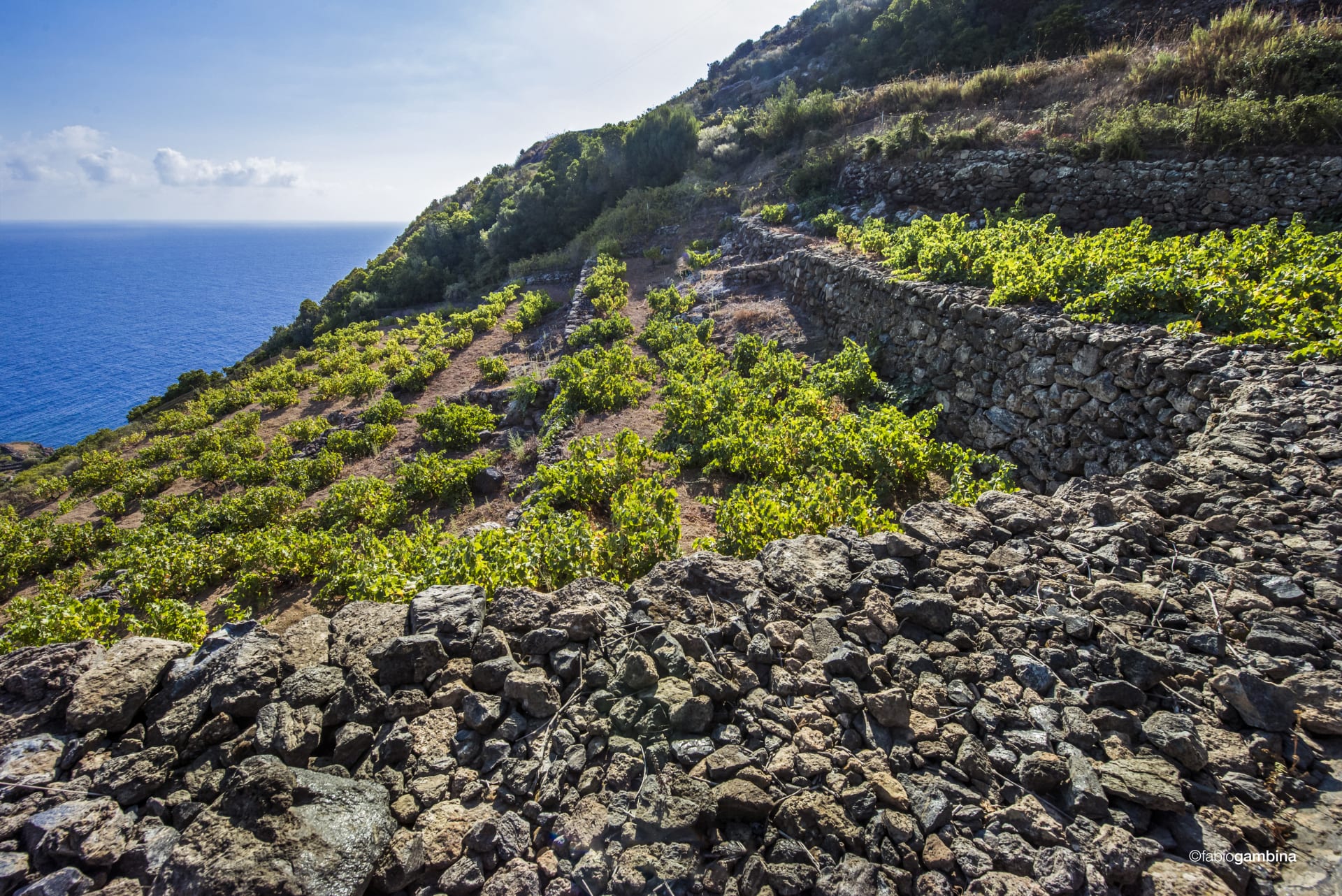
Today the estate is comprised of an historic family cellar in Marsala that dates back to 1851, a 667-acre estate at Contessa Entellina planted to a diverse range of grapes, and a third cellar on the volcanic island of Pantelleria, where Donnafugata cultivates 168 acres of Zibibbo vineyards. The company employs state-of-the-art, sustainable viticulture techniques at all three estates for wines of the highest quality.
At Donnafugata, stewardship of the environment is taken as seriously as the production of wine. The winery was one of the first wineries in Italy to produce all of its electricity from solar energy, taking advantage of the bountiful Sicilian sunshine, and in 2015 the island of Pantelleria was given UNESCO certification recognizing its unique vine training method.
The name Donnafugata refers to the novel by Tomasi di Lampedusa entitled Il Gattopardo (The Leopard). A name that means “donna in fuga” (woman in flight) and refers to the story of a queen who found refuge in the part of Sicily where the company’s vineyards are located today.

Boldly opulent and robust, Nero d’Avola is Sicily’s most widely planted red grape. Nero d’Avola performs well both as a single varietal bottling and in blends. It loves hot, arid climates and Sicily's old vines are aptly head-trained close to the ground, making them resistant to strong winds. A few pioneering producers in California as well as Australia farm Nero d’Avola in the same way. Somm Secret—Nero d’Avola's other name, Calabrese, suggests origins from the mainland region of Calabria.

A large, geographically and climatically diverse island, just off the toe of Italy, Sicily has long been recognized for its fortified Marsala wines. But it is also a wonderful source of diverse, high quality red and white wines. Steadily increasing in popularity over the past few decades, Italy’s fourth largest wine-producing region is finally receiving the accolades it deserves and shining in today's global market.
Though most think of the climate here as simply hot and dry, variations on this sun-drenched island range from cool Mediterranean along the coastlines to more extreme in its inland zones. Of particular note are the various microclimates of Europe's largest volcano, Mount Etna, where vineyards grow on drastically steep hillsides and varying aspects to the Ionian Sea. The more noteworthy red and white Sicilian wines that come from the volcanic soils of Mount Etna include Nerello Mascalese and Nerello Cappuccio (reds) and Carricante (whites). All share a racy streak of minerality and, at their best, bear resemblance to their respective red and white Burgundies.
Nero d’Avola is the most widely planted red variety, and is great either as single varietal bottling or in blends with other indigenous varieties or even with international ones. For example, Nero d'Avola is blended with the lighter and floral, Frappato grape, to create the elegant, Cerasuolo di Vittoria, one of the more traditional and respected Sicilian wines of the island.
Grillo and Inzolia, the grapes of Marsala, are also used to produce aromatic, crisp dry Sicilian white. Pantelleria, a subtropical island belonging to the province of Sicily, specializes in Moscato di Pantelleria, made from the variety locally known as Zibibbo.