


Winemaker Notes
Fragore 2019, ruby red colored, offers an ample and deep bouquet with notes of wild blackberry and forest floor that blend with balsamic, mineral (flint) and tobacco nuances. Due to its complexity and structure with important tannins, together with its remarkable persistence, this cru from Contrada Montelaguardia is an authentic expression of volcanic energy.
Pair with legumes, mushrooms and tasty meats. Fragore perfectly matches turkey and barbecue ribs. Try it also with Asian food as Peking duck, beef and pork hot pots.
Professional Ratings
-
James Suckling
Dried roses and spices with dried cherries and other flowers. Some honeysuckle. Medium to full body, with firm and polished tannins and a creamy texture and delicious finish.
-
Robert Parker's Wine Advocate
This is one of the top-shelf releases from the Donnafugata winery on Etna. The 2019 Etna Rosso Contrada Montelaguardia Fragore is a little shy in terms of aromas, at least initially. But the wine is actually quite rich and firm in terms of mouthfeel and concentration. The bouquet delivers subdued tones of blackcurrant, spice and grilled herb. The tannins are silky and polished.
-
Decanter
Restrained aromas on the nose, showing stylish oak, tea leaves and balsamic notes. Super rich mid-palate, with a soft texture.
-
Wine Enthusiast
Sweet strawberries and cherries push back against warm, spicy notes of cinnamon, chili pepper and coffee grinds on the nose. The palate becomes more indulgent with macerated cherries and salted dark chocolate, contoured by sturdy tannins and substantial heat and acid.





In 1983, the experienced winegrowing couple Giacomo and Gabriella Rallo decided to invest in a new Sicilian project that they called “Donnafugata.” Their vision was to create a contemporary winegrowing operation based around three sites in western Sicily and to produce a range of international and indigenous variety wines to showcase the potential of Sicily.
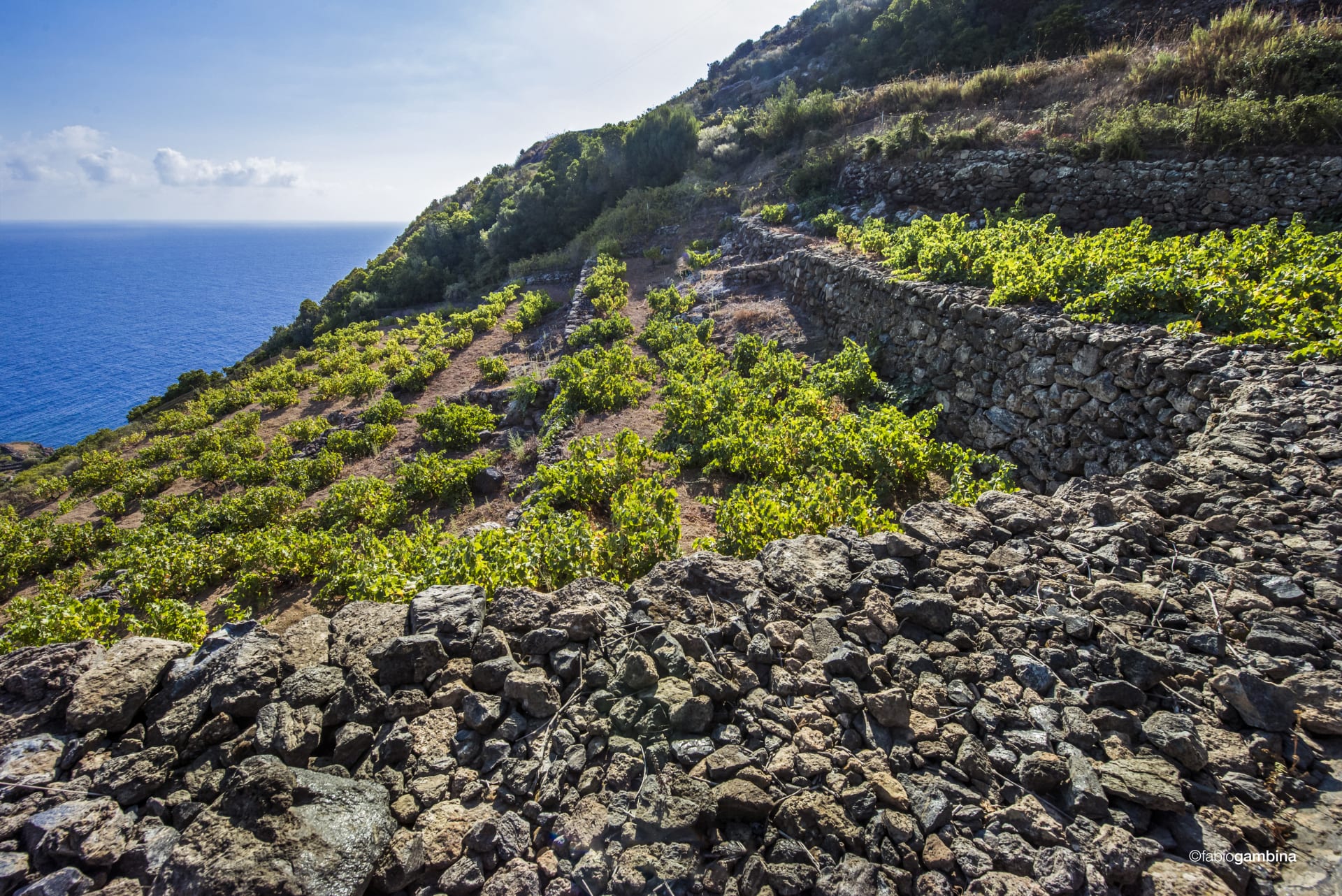
Today the estate is comprised of an historic family cellar in Marsala that dates back to 1851, a 667-acre estate at Contessa Entellina planted to a diverse range of grapes, and a third cellar on the volcanic island of Pantelleria, where Donnafugata cultivates 168 acres of Zibibbo vineyards. The company employs state-of-the-art, sustainable viticulture techniques at all three estates for wines of the highest quality.
At Donnafugata, stewardship of the environment is taken as seriously as the production of wine. The winery was one of the first wineries in Italy to produce all of its electricity from solar energy, taking advantage of the bountiful Sicilian sunshine, and in 2015 the island of Pantelleria was given UNESCO certification recognizing its unique vine training method.
The name Donnafugata refers to the novel by Tomasi di Lampedusa entitled Il Gattopardo (The Leopard). A name that means “donna in fuga” (woman in flight) and refers to the story of a queen who found refuge in the part of Sicily where the company’s vineyards are located today.

Extending across the variable volcanic soils of the slopes of Mt. Etna at some of the highest vineyard altitudes in all of Europe—up to 3,300 feet—Nerello Mascalese is one of Sicily’s most noble red varieties. It makes a beautifully aromatic, firm, cellar-worthy but pale-hued red often comparable to a fine Burgundy or Barbaresco. Somm Secret—Nerello Mascalese takes its name from the black color of its grapes, nerello, and the Mascali plain between Mt. Etna and the coast where it is believed to have originated.

A large, geographically and climatically diverse island, just off the toe of Italy, Sicily has long been recognized for its fortified Marsala wines. But it is also a wonderful source of diverse, high quality red and white wines. Steadily increasing in popularity over the past few decades, Italy’s fourth largest wine-producing region is finally receiving the accolades it deserves and shining in today's global market.
Though most think of the climate here as simply hot and dry, variations on this sun-drenched island range from cool Mediterranean along the coastlines to more extreme in its inland zones. Of particular note are the various microclimates of Europe's largest volcano, Mount Etna, where vineyards grow on drastically steep hillsides and varying aspects to the Ionian Sea. The more noteworthy red and white Sicilian wines that come from the volcanic soils of Mount Etna include Nerello Mascalese and Nerello Cappuccio (reds) and Carricante (whites). All share a racy streak of minerality and, at their best, bear resemblance to their respective red and white Burgundies.
Nero d’Avola is the most widely planted red variety, and is great either as single varietal bottling or in blends with other indigenous varieties or even with international ones. For example, Nero d'Avola is blended with the lighter and floral, Frappato grape, to create the elegant, Cerasuolo di Vittoria, one of the more traditional and respected Sicilian wines of the island.
Grillo and Inzolia, the grapes of Marsala, are also used to produce aromatic, crisp dry Sicilian white. Pantelleria, a subtropical island belonging to the province of Sicily, specializes in Moscato di Pantelleria, made from the variety locally known as Zibibbo.