

Winemaker Notes
Professional Ratings
-
Robert Parker's Wine Advocate
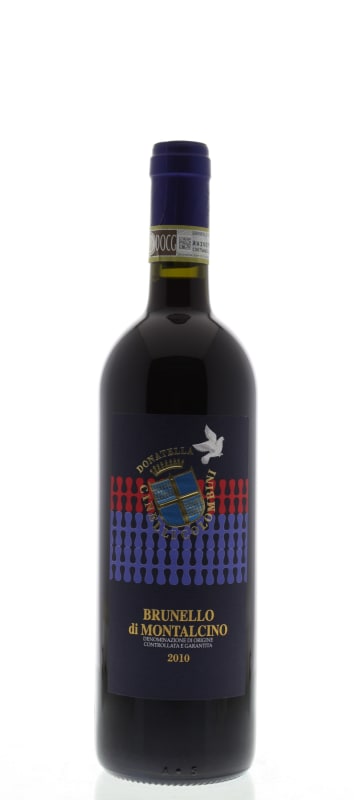
Donatella Cinelli Colombini's 2010 Brunello di Montalcino makes a big and pleasurable impact on all the senses. First, it hits the nose with a wonderful medley of ripe, dark fruit, spice, tar, tobacco, leather and dried herbs. The wine is impeccably made and the quality of fruit is outstanding. Ultimately, your patronage of this brand depends on whether you like this bold, softer style. If you do, this Brunello delivers satisfaction in spades. Fleshy oak tones of cinnamon and clove round off the finish. It is extremely soft and smooth to the touch. This wine can be enjoyed in the near or long-term. Donatella Cinelli Colombini has gained a loyal fan base over the years. She is an able communicator, but more importantly she has steadily maintained consistency in quality wines throughout last ten years that I have been following her work. I can't ever remember being disappointed in her wines and this batch of new releases is some of her best work yet.
-
Wine Spectator
Plum and black cherry flavors are ripe and augmented by leather, spice and tobacco notes. The initial sweetness gives way to solid tannins, but this displays energy and resonance on the long finish, with a lasting impression of sweet fruit.


Among Italy's elite red grape varieties, Sangiovese has the perfect intersection of bright red fruit and savory earthiness and is responsible for the best red wines of Tuscany. While it is best known as the chief component of Chianti, it is also the main grape in Vino Nobile di Montepulciano and reaches the height of its power and intensity in the complex, long-lived Brunello di Montalcino. Somm Secret—Sangiovese doubles under the alias, Nielluccio, on the French island of Corsica where it produces distinctly floral and refreshing reds and rosés.

Famous for its bold, layered and long-lived red, Brunello di Montalcino, the town of Montalcino is about 70 miles south of Florence, and has a warmer and drier climate than that of its neighbor, Chianti. The Sangiovese grape is king here, as it is in Chianti, but Montalcino has its own clone called Brunello.
The Brunello vineyards of Montalcino blanket the rolling hills surrounding the village and fan out at various elevations, creating the potential for Brunello wines expressing different styles. From the valleys, where deeper deposits of clay are found, come wines typically bolder, more concentrated and rich in opulent black fruit. The hillside vineyards produce wines more concentrated in red fruits and floral aromas; these sites reach up to over 1,600 feet and have shallow soils of rocks and shale.
Brunello di Montalcino by law must be aged a minimum of four years, including two years in barrel before realease and once released, typically needs more time in bottle for its drinking potential to be fully reached. The good news is that Montalcino makes a “baby brother” version. The wines called Rosso di Montalcino are often made from younger vines, aged for about a year before release, offer extraordinary values and are ready to drink young.