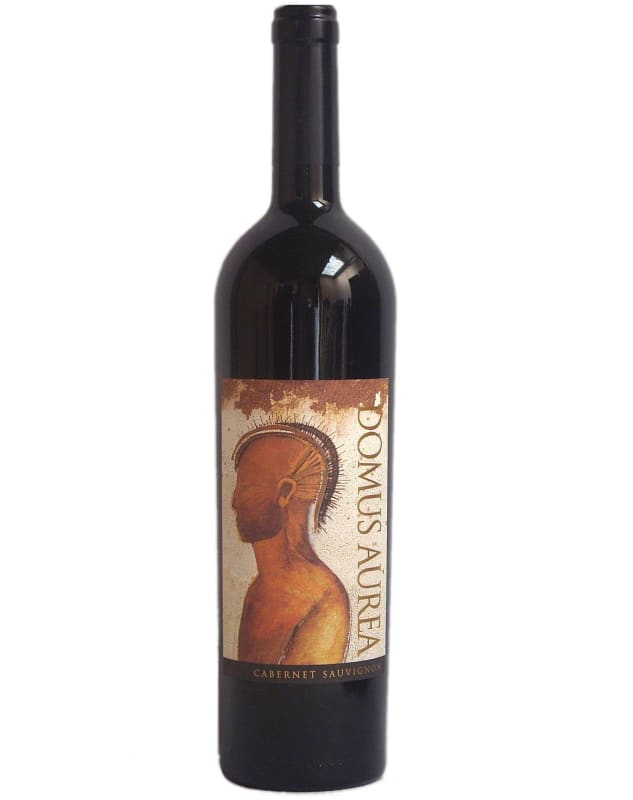


Winemaker Notes
Professional Ratings
-
Robert Parker's Wine Advocate
One of the best, most classical Cabernet Sauvignons from Maipo, the 2014 Domus Aurea contains some 6% Petit Verdot, 4% Merlot and 2% Cabernet Franc. This wine is always balanced and elegant. In a dry year like 2014, they think the key was sensitive irrigation without excess to keep the plant with enough water supply to get through the summer without stress. It comes from a plot of vines planted ungrafted in 1970 in the outskirts of Santiago, and it's always vinified in a simple and traditional way; the wine is fermented with indigenous yeasts after a 12-day cold soak and aged for 16 to 18 months in French oak barrels, 80% of them new. 2014 is a great year for Domus; it has the notes of mint and eucalyptus, intermixed with hints of spices (cola nut and Jamaica pepper), and it's quite aromatic, with cassis aromas and good ripeness. It has the Domus character, which is what they search for, as well as the wild character from the mountains and the stones, with that dry sensation and somewhat austere palate. It reminds me of the 2010, which was also a superb year and a textbook Cabernet from Macul. 24,491 bottles were filled in January 2016. This wine is always aged for a minimum of 18 months in bottle (often a lot longer) before it's released.
-
Tasting Panel
Smooth and deeply colored with bright raspberry and plum notes; complex, intense, and long with balance and depth.
-
Wine Spectator
Lusciously spiced, featuring a deep well of dark fruit flavors that are flanked by alluring accents of dried mint. Mocha, cream and dark chocolate details show on the sculpted finish, with cigar box notes. Drink now through 2021.


A noble variety bestowed with both power and concentration, Cabernet Sauvignon enjoys success all over the globe, its best examples showing potential to age beautifully for decades. Cabernet Sauvignon flourishes in Bordeaux's Medoc where it is often blended with Merlot and smaller amounts of some combination of Cabernet Franc, Malbecand Petit Verdot. In the Napa Valley, ‘Cab’ is responsible for some of the world’s most prestigious, age-worthy and sought-after “cult” wines. Somm Secret—DNA profiling in 1997 revealed that Cabernet Sauvignon was born from a spontaneous crossing of Cabernet Franc and Sauvignon Blanc in 17th century southwest France.

The Maipo Valley is Chile’s most famous wine region. Set in the country’s Central Valley, it is warm and quite dry, often necessitating the use of irrigation. Alluvial soils predominate but are supplemented with loam and clay.
The climate in Maipo is best-suited for ripe, full-bodied reds like Cabernet Sauvignon (the region’s most widely planted grape), Merlot, Syrah and Carmenère, a Bordeaux variety that has found a successful home in Chile.
White wines are also produced with great prosperity, especially near the cooler coast, include Chardonnay and Sauvignon Blanc.