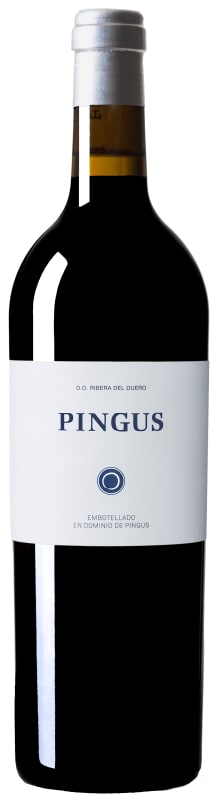


Winemaker Notes
A wine that is high in color, a powerful attack but also with a lot of freshness due to the early harvest. The finish is impressive and the wine is very long on the palate.
Professional Ratings
-
James Suckling
The brightness and intensity here is fantastic with density and firmness that is most impressive. Squared-off tannins give this classicism and beauty. Full body. Extremely long and powerful. One to watch.
Range: 97-98 -
Vinous
Dark, bright-rimmed purple. Powerful red and dark berry preserve and cherry cola scents are complemented by exotic spice, incense and floral oil notes. Sappy and densely packed, offering palate-staining black raspberry, cherry liqueur, violet pastille and spice cake flavors braced by a core of juicy acidity. Youthfully chewy tannin's build steadily on a strikingly long, penetrating finish that leaves behind smoky mineral and juicy dark berry notes.
-
Robert Parker's Wine Advocate
I also tasted the 2017 Pingus, which had a tough competition with the bottled 2016 and a barrel sample of the 2018 (and the fermenting 2019, but that doesn't really count). 2017 was a weird vintage for the zone, as the year was marked by one spring frost that decimated the crop and completely changed the balance of the year. In 2007, they put a windmill in one of the plots, and although the plot was not able to escape the frost, it was not as acute as it was in the Flor de Pingus vineyards, where they lost up to 40% of the crop. At the Pingus vineyards, they lost some 25% of the grapes. They started the élevage in used barriques, where they wine matured for 12 months, and then moved the wine to larger barrels so they could extend the aging. There are alternate sensations of ripeness and herbal aromas. You can see a little bit of the tannic style of a concentrated year (1995, 2004, 2014), which is very different from fluid years like 2016 or 1996, with a rustic Ribera character. They saved the vintage with their knowledge of their vineyards, whereas in the past, a vintage like this could have been a disaster. Sometimes wines like this can have an unexpected development in bottle...


Notoriously food-friendly, long-lasting and Spain’s most widely planted grape, Tempranillo is the star variety of red wines from Rioja and Ribera del Duero. The Rioja terms Joven, Crianza, Reserva and Gran Reserva indicate both barrel and bottle time before release. Traditionally blended in Rioja with Garnacha, plus a bit of Mazuelo (Carignan) and Graciano, the Tempranillo in Ribera del Duero typically stands alone. Somm Secret—Tempranillo claims many different names depending on location. In Penedès, it is called Ull de Llebre and in Valdepeñas, goes by Cencibel. Known as Tinta Roriz in Portugal, Tempranillo plays an important role in Port wine.

Ribera del Duero, Spanish wine region, is located in northen Spain’s Castilla y León region, just a 2-hour drive from Madrid. While winemaking in this area goes back more than 2000 years, it was in the 1980s that 9 wineries applied for and were granted Denominación de Origen (D.O.) status. Today, more than 300 wineries call Ribera del Duero home, including some of Spain’s most iconic names.
Notable Facts Ribera’s main grape variety, Tempranillo, locally know as Tinto Fino, is perfectly suited to the extreme climate of the region, where it must survive scorching summers and frigid winters. Low yields resulting from conscientious tending to old vines planted in Ribera’s diverse soils types, give Ribera wines a distinctive depth and complexity not found in other Tempranillos. Rich and full-bodied, the spice, dark fruit and smoky flavors in a bold Ribera del Duero will pair well with roasted and grilled meats, Mexican food and tomato-based sauces.