


Winemaker Notes
Professional Ratings
-
Robert Parker's Wine Advocate
This is a gorgeous expression of Dolcetto that is redolent of blackberry pie, black cherry and a hint of crushed white pepper. The Domenico Clerico 2023 Langhe Dolcetto Visadì shows lovely brightness and generous fruit. There is an exotic element to the wine that reminds me of cumin or cardamom. Winemaking is in stainless steel only, and this bottle promises a fun and immediate drinking style. Pair it with a classic burger and fries.

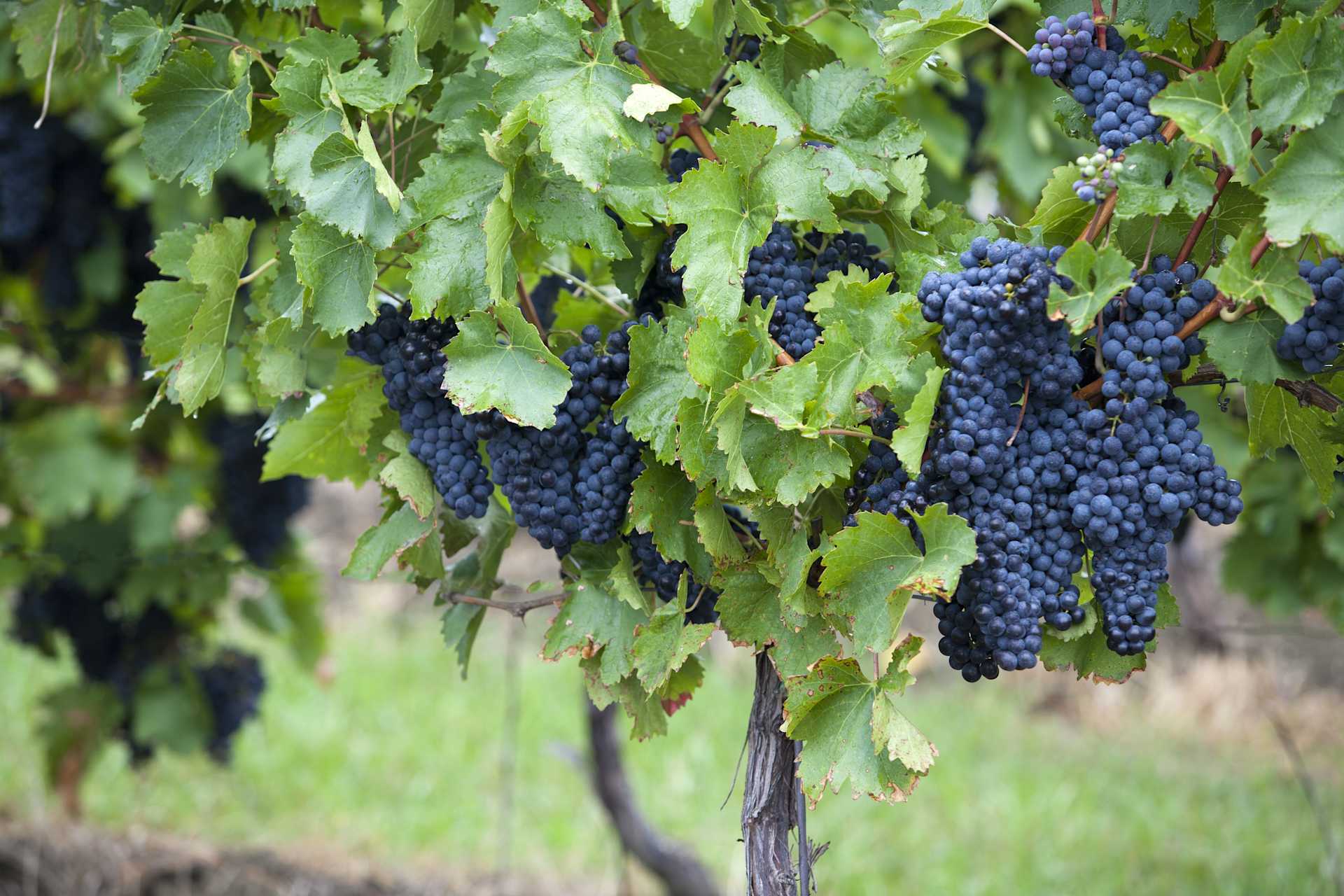
An easy drinking red with soft fruity flavors—but catchy tannins, Dolcetto is often enjoyed in its native Piedmont on a casual weekday night, or for apertivo (the canonical Piedmontese pre-dinner appetizer hour). Somm Secret—In most of Piedmont, easy-ripening Dolcetto is relegated to the secondary sites—the best of which are reserved for the king variety: Nebbiolo. However, in the Dogliani zone it is the star of the show, and makes a more serious style of Dolcetto, many of which can improve with cellar time.

Set upon a backdrop of the visually stunning Alps, the enchanting and rolling hills of Piedmont are the source of some of the country’s longest-lived and most sought-after red wines. Vineyards cover a great majority of the land area—especially in Barolo—with the most prized sites at the top hilltops or on south-facing slopes where sunlight exposure is maximized. Piedmont has a continental climate with hot, humid summers leading to cold winters and precipitation year-round. The reliable autumnal fog provides a cooling effect, especially beneficial for Nebbiolo, Piedmont’s most prestigious variety.
In fact, Nebbiolo is named exactly for the arrival of this pre-harvest fog (called “nebbia” in Italian), which prolongs cluster hang time and allows full phenolic balance and ripeness. Harvest of Nebbiolo is last among Piedmont's wine varieties, occurring sometime in October. This grape is responsible for the exalted Piedmont wines of Barbaresco and Barolo, known for their ageability, firm tannins and hallmark aromas of tar and roses. Nebbiolo wines, despite their pale hue, pack a pleasing punch of flavor and structure; the best examples can require about a decade’s wait before they become approachable. Barbaresco tends to be more elegant in style while Barolo is more powerful. Across the Tanaro River, the Roero region, and farther north, the regions of Gattinara and Ghemme, also produce excellent quality Nebbiolo.
Easy-going Barbera is the most planted grape in Piedmont, beloved for its trademark high acidity, low tannin and juicy red fruit. Dolcetto, Piedmont’s other important red grape, is usually ready within a couple of years of release.
White wines, while less ubiquitous here, should not be missed. Key Piedmont wine varieties include Arneis, Cortese, Timorasso, Erbaluce and the sweet, charming Muscat, responsible for the brilliantly recognizable, Moscato d'Asti.