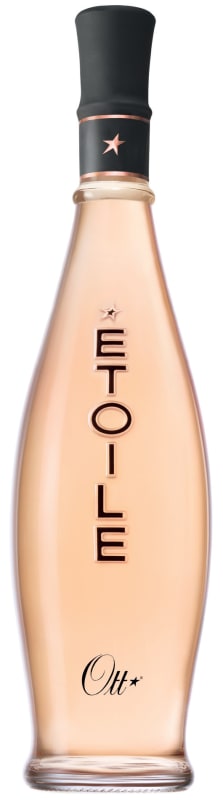


Winemaker Notes
Professional Ratings
-
James Suckling
A precise, well-built and seductive rosé with aromas of forest berries, dried orange peel and fresh flowers on the nose. It’s medium-bodied with bright acidity. Attractive character on the palate, with texture and poise. It has plenty of verve and focus, with a long finish. From organically grown grapes. Drink or hold.
-
Wine Spectator
Light in hue, this rosé is round and creamy in feel, featuring light wild berry and white cherry, with smoky mineral undercurrents. Shows flinty, salty depth, with white flowers, fresh-cut chives and herbs adding intrigue to the silky and persistent finish. Grenache and Mourvèdre.




In 1896, after a tour of France’s many vineyards, Marcel Ott, a young graduate in agronomy engineering, finally found an estate that inspired him. To set the scene, we are in Provence. The Mediterranean is lapping at the shore a mere stone’s throw away...
In these parts, growing vines is the legacy of ancient times. Alas, a short while before Marcel Ott’s discovery, phylloxera had wreaked havoc on the vines. The land was cheaper, but the vineyards would have to be replanted. The wine had lost a great deal of its soul in the vineyard’s reconstruction. Marcel Ott bought several estates and began renovating them with the determined ambition to create great Provencal wines from noble grape varieties.
Today, 120 years later, cousins Christian and Jean-François Ott dedicate their life to their ancestor’s love for the site. In 2004, Domaines Ott joined Louis Roederer and its fabulous selection of wine craftsmen.
Christian and Jean-François run three estates: Château de Selle, Clos Mireille (both Côtes de Provence) and Château Romassan (Bandol). Each of these properties has its own individual charm and personality. Each can be proud of their extremely elegant rosé, red and white wines.

Whether it’s playful and fun or savory and serious, most rosé today is not your grandmother’s White Zinfandel, though that category remains strong. Pink wine has recently become quite trendy, and this time around it’s commonly quite dry. Since the pigment in red wines comes from keeping fermenting juice in contact with the grape skins for an extended period, it follows that a pink wine can be made using just a brief period of skin contact—usually just a couple of days. The resulting color depends on grape variety and winemaking style, ranging from pale salmon to deep magenta.

A small category representing the wines that either fall outside of appellation lines or don’t subscribe to the law and traditions set forth by the French government within certain classified appellations, “Vin De France” is a catch-all that includes some of the most basic French wines as well as those of superior quality. The category includes large production, value-driven wines. It also includes some that were made with a great deal of creativity, diligence and talent by those who desire to make wine outside of governmental restrictions. These used to be called Vin de Table (table wine) but were renamed to compete with other European countries' wines of similar quality.