


Winemaker Notes
This unique, full-flavoured wine celebrates a grape variety originating from the Bordeaux region, Sémillon, which thrives on the saline terroir of Clos Mireille. The estate is very close to the shore, facing the Mediterranean. As well as all the advantages of the ocean spray, dry hillside air and generous sunshine, the wine also benefits from the schist soil which contains absolutely no limestone. The primary grape in this blend, Sémillon, provides structure and the opulence of grand Demi Sec wines. Rolle, an aromatic variety, complements it with balance and complexity. Ageing in foudres (large oak casks) adds a smooth patina to this wine that has a great capacity for ageing. The colour of the Blanc de Blancs reflects its elegance: a pale and pure yellow, traversed by green or silver tints. Very expressive, the bouquet exudes fragrances of ripe and exotic fruit, crowned by a hint of floral broom. On the palate, the tangy freshness and vitality blossom over honey aromas before providing a crisp finish.

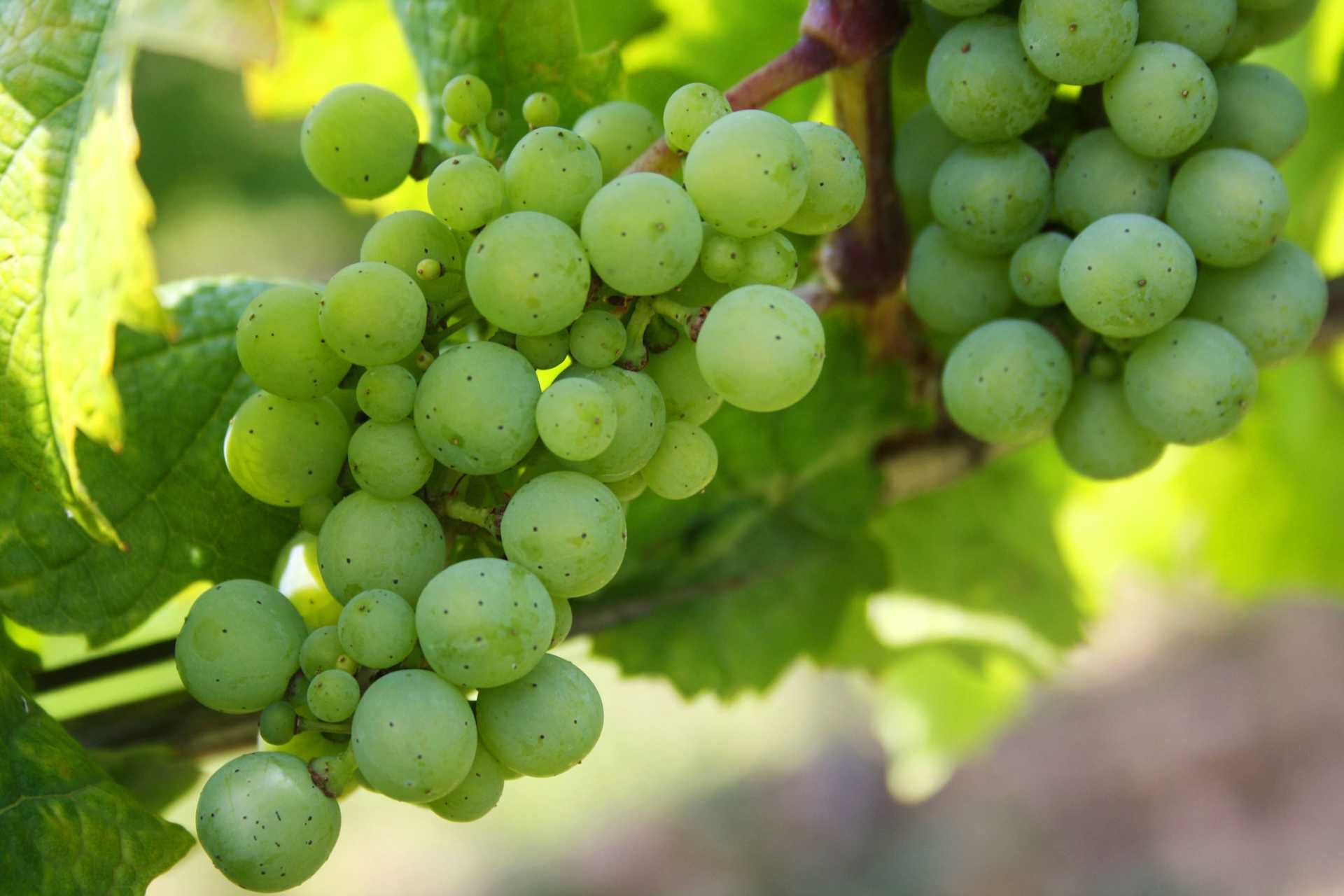
With hundreds of white grape varieties to choose from, winemakers have the freedom to create a virtually endless assortment of blended white wines. In many European regions, strict laws are in place determining the set of varieties that may be used in white wine blends, but in the New World, experimentation is permitted and encouraged. Blending can be utilized to enhance balance or create complexity, lending different layers of flavors and aromas. For example, a variety that creates a soft and full-bodied white wine blend, like Chardonnay, would do well combined with one that is more fragrant and naturally high in acidity. Sometimes small amounts of a particular variety are added to boost color or aromatics. Blending can take place before or after fermentation, with the latter, more popular option giving more control to the winemaker over the final qualities of the wine.

Cotes de Provence is an extensive but valuable appellation that includes vineyards bordering the main Provencal appellations. Its sites vary from subalpine hills, which receive the cooling effects of the mountains to the north, to the coastal St-Tropez, a region mainly influenced by the warm Mediterranean sunshine.
Here the focus is on quality rosé, as it defines four fifths of the region’s wines. Following in the rosé footsteps, a lot of new effort is going into the region’s red production as well. A new generation has turned its focus on high quality Grenache, Syrah, Cinsault and Carignan. Cotes de Provence white wines, which represent a miniscule part of the region as far as volume, are nonetheless worthy of consideration and can include any combination of Clairette, Semillon, Ugni Blanc and Vermentino.