


Winemaker Notes
Its pale, ethereal pink color tinted with gold or orange, releases a bouquet of citrus fruits and white orchard flowers. On the palate, the immediate effect is lively and bright, revealing notes of pink grapefruit, fleshy fruit and, once the wine has had a chance to breathe, hints of fruit tart. The finish is complex and lasting.
Professional Ratings
-
Wine & Spirits
In the arms race of bottle shapes and vibrant shades of pink, Jean-François Ott’s wines stand out for their restraint, even in Bandol. This wine channeled the hot, dry summer of 2022 into a silky texture that quietly undergirds a complex strawberry flavor, complete with the leafy tops. This is the first certified-organic vintage from the estate, and the health of the fruit is apparent in the elegance of the wine—lasting with mouthwatering savor, its acidity and tannins cleaning up after themselves like a neurotic houseguest. For me, elegance in rosé is defined by its ability to be simply delicious, but complex and rewarding under scrutiny—a test this wine passes with flying pink colors.
-
Wine Enthusiast
This is a rich wine, its Mourvèdre giving concentration and a fine structure. From one of the Ott domaines, it has spice as well as layers of red fruits.
-
Wine Spectator
Boasts a beautiful core of fleshy white fruit and red currant, with mineral density and concentration on the palate. Richly textured and pure, with nice range to the dried hay, fresh chive, citrus pith and jasmine elements. Reveals a bitter quinine note, which brings focus to the long, harmonious finish. Mourvèdre, Cinsault and Grenache. Drink now through 2027.



In 1896, after a tour of France’s many vineyards, Marcel Ott, a young graduate in agronomy engineering, finally found an estate that inspired him. To set the scene, we are in Provence. The Mediterranean is lapping at the shore a mere stone’s throw away...
In these parts, growing vines is the legacy of ancient times. Alas, a short while before Marcel Ott’s discovery, phylloxera had wreaked havoc on the vines. The land was cheaper, but the vineyards would have to be replanted. The wine had lost a great deal of its soul in the vineyard’s reconstruction. Marcel Ott bought several estates and began renovating them with the determined ambition to create great Provencal wines from noble grape varieties.
Today, 120 years later, cousins Christian and Jean-François Ott dedicate their life to their ancestor’s love for the site. In 2004, Domaines Ott joined Louis Roederer and its fabulous selection of wine craftsmen.
Christian and Jean-François run three estates: Château de Selle, Clos Mireille (both Côtes de Provence) and Château Romassan (Bandol). Each of these properties has its own individual charm and personality. Each can be proud of their extremely elegant rosé, red and white wines.
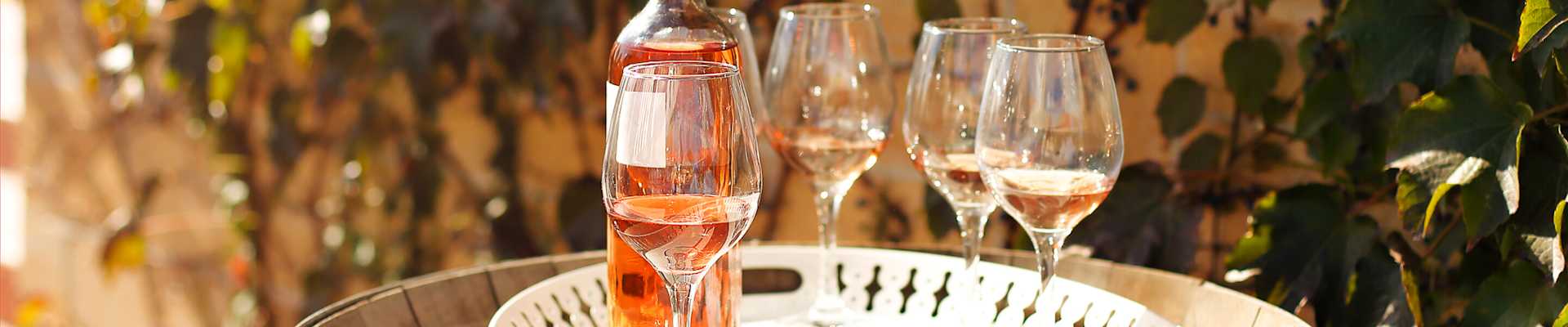
Whether it’s playful and fun or savory and serious, most rosé today is not your grandmother’s White Zinfandel, though that category remains strong. Pink wine has recently become quite trendy, and this time around it’s commonly quite dry. Since the pigment in red wines comes from keeping fermenting juice in contact with the grape skins for an extended period, it follows that a pink wine can be made using just a brief period of skin contact—usually just a couple of days. The resulting color depends on grape variety and winemaking style, ranging from pale salmon to deep magenta.

Provence’s leader in concentrated and age-worthy red wines, Bandol is home to the dense, deep and earthy Mourvèdre grape. Like Châteauneuf-du-Pape, Bandol produces characterful reds that, while approachable in their youth, are typically designed for the cellar.
Given its coastal, Provencal situation, Bandol also naturally produces an assortment of charming, aromatic rosés made of Mourvèdre, Grenache and Cinsault.