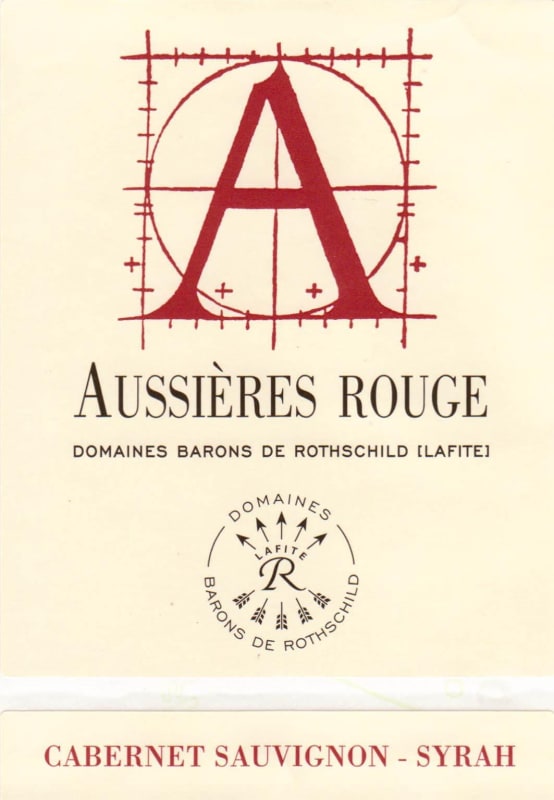

Winemaker Notes



Legende offers consumers a journey through the different terroirs and tastes of the heralded Bordeaux region through the eyes of one of the region’s most prestigious producers, Domaines Barons de Rothschild (Lafite). “It all started in the nineties. They wanted to offer their consumers a discovery of the different terroirs and tastes of Bordeaux. A name had to be found. A name that could live up to the expectations. A hint to the Rothschild family and the rich history of Chateau Lafite. A legende was born.” Crafted by long-time Domaines Barons de Rothschild (Lafite) winemaker, Diane Flamand, Legende wines demonstrate a remarkable balance between tradition and modernity. With a product range that includes each of the five major appellations in Bordeaux: Bordeaux Rouge, Bordeaux Blanc, Medoc, Saint-Emilion and Pauillac, Legende wines have an approachable style, inspired by every day drinkability and enjoyment.

Marked by an unmistakable deep purple hue and savory aromatics, Syrah makes an intense, powerful and often age-worthy red. Native to the Northern Rhône, Syrah achieves its maximum potential in the steep village of Hermitage and plays an important component in the Red Rhône Blends of the south, adding color and structure to Grenache and Mourvèdre. Syrah is the most widely planted grape of Australia and is important in California and Washington. Sommelier Secret—Such a synergy these three create together, the Grenache, Syrah, Mourvedre trio often takes on the shorthand term, “GSM.”

A small category representing the wines that either fall outside of appellation lines or don’t subscribe to the law and traditions set forth by the French government within certain classified appellations, “Vin De France” is a catch-all that includes some of the most basic French wines as well as those of superior quality. The category includes large production, value-driven wines. It also includes some that were made with a great deal of creativity, diligence and talent by those who desire to make wine outside of governmental restrictions. These used to be called Vin de Table (table wine) but were renamed to compete with other European countries' wines of similar quality.