


Winemaker Notes
Ktima (Domaine) Zafeirakis Limniona Rosé is a serious, food-minded rosé from Tyrnavos, shaped by 100% Limniona, light maceration and a clean, minimal-intervention sensibility. It pours soft salmon / pomegranate-toned, bright and elegant. The nose is confidently aromatic: wild strawberry and red cherry, pomegranate/dogwood, lifted white flowers/rose petal, then a signature Zafeirakis twist of Mediterranean herbs and a faint buttery toffee nuance. On the palate it’s medium in weight but crisp and refreshing, with a subtle light tannin/appetizing bitterness that adds grip and length—more "gastronomic" than poolside.
Food pairing: match its red-fruit lift and herbal edge with fried or steamed fish with lado-rigani, vegetable pasta, gemista, or even moussaka when you want a rosé that won’t disappear at the table. On the international side choose a Niçoise salad (tuna, olives, egg), sushi/sashimi (especially salmon or tuna), and Thai larb or green papaya salad—the wine’s bright acidity and herbal edge love citrus, herbs, and gentle heat.
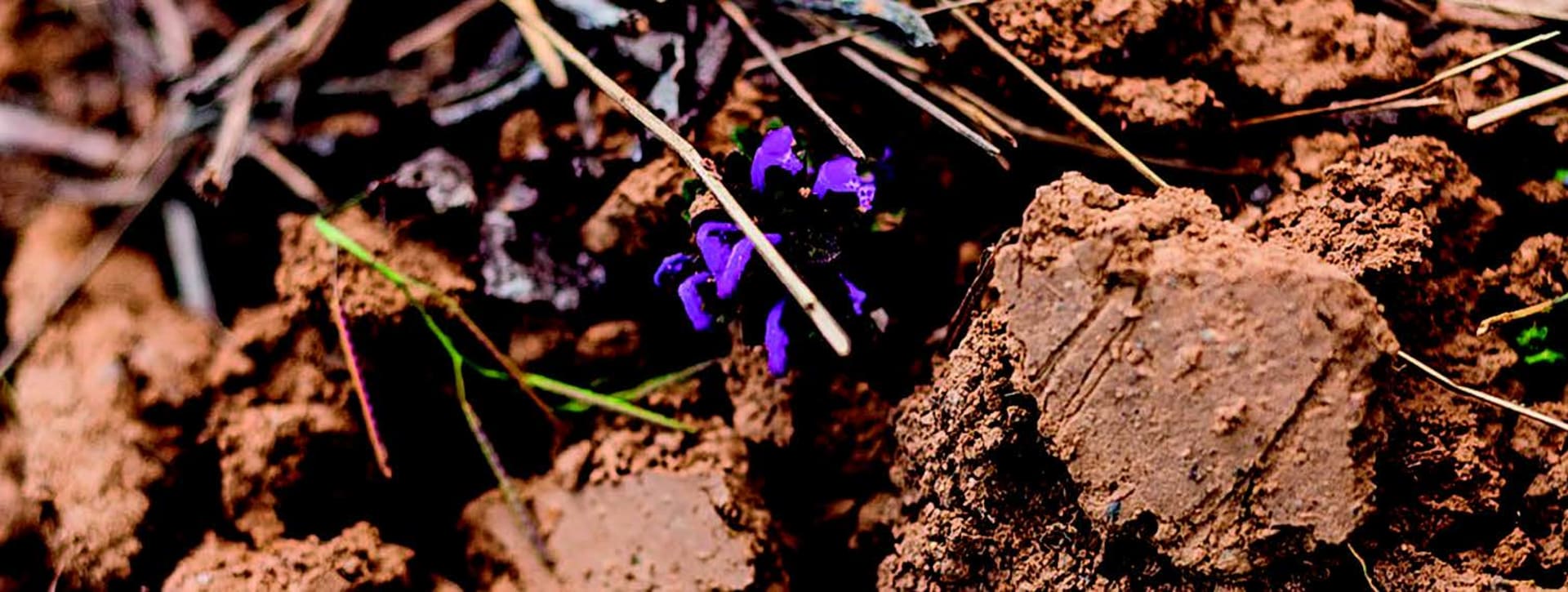



A unique winery for its standards was established in Tyrnavos region in 2012. The Zafeiraki Winery is located in region "Palaiomylos" in Tyrnavos. The soil is characterized as clay with high concentration of flint stone. With respect to the environment, our aim is to highlight the unique micro-climate in the region of Tyrnavos.
The methodology of the bio-culture in our vineyards together with the non-use of specific fermentation processes and enzymes in the production contribute to this effort. Equally important role to the quality of their wine plays the low productivity per stremma (550-600Kg).
The Zafeirakis family is involved with the viticulture in the area of Tyrnavos for more than 100 years.
Christos Zafeirakis, the forth in the line who continues the family tradition, takes the family business to the next level by bottling the first wine from his private vineyards in 2005.
After he completed his studies in Oenology (Athens, 1996-2000) he decided that his desire was to enrich his knowledge and expand his experience. Thus, he continued his academic carrier at the University of Milan (Italy, 2003- 2004) where he undertook a master’s degree in Oenology (MSc).
Soon after he returned to Greece he followed his father’s footsteps with main goal the production of high quality wines from grapes of organic farming.
Meanwhile, his passion for the art of high quality wines drove him to many famous wineries at Piemonte, Alto Adige and Tuscany (in 2002, 2003 and 2004 equivalent) where he had the chance to gain valuable lessons and enhance his working experience.
Finally, it is worth mentioning that the last ten years new kinds of grape were adopted such as Syrah, Merlot, Sangiovese, Chardonnay, Malagouzia etc. Moreover, it is crucial the attempt to revive local varieties one of which is "Limniona", which was first produced at November of 2008.

Whether it’s playful and fun or savory and serious, most rosé today is not your grandmother’s White Zinfandel, though that category remains strong. Pink wine has recently become quite trendy, and this time around it’s commonly quite dry. Since the pigment in red wines comes from keeping fermenting juice in contact with the grape skins for an extended period, it follows that a pink wine can be made using just a brief period of skin contact—usually just a couple of days. The resulting color depends on grape variety and winemaking style, ranging from pale salmon to deep magenta.

A picturesque Mediterranean nation with a rich wine culture dating back to ancient times, Greece has so much more to offer than just retsina. Between the mainland and the country’s many islands, a wealth of Greek wine styles exists, made mostly from Greece’s plentiful indigenous varieties. After centuries of adversity after Ottoman rule, the modern Greek wine industry took off in the late 20th century with an influx of newly trained winemakers and investments in winemaking technology.
The climate—generally hot Mediterranean—can vary a bit with latitude and elevation, and is mostly moderated by cool maritime breezes. Drought can be an issue for Greek wine during the long, dry summers, sometimes necessitating irrigation.
Over 300 indigenous grapes have been identified throughout Greece, and though not all of them are suitable for wine production, future decades will likely see a significant revival and refinement of many of these native Greek wine varieties. Assyrtiko, the crisp, saline Greek wine variety of the island of Santorini, is one of the most important and popular white wine varieties, alongside Roditis, Robola, Moschofilero, and Malagousia. Muscat is also widely grown for both sweet and dry wines. Prominent red wine varieties include full-bodied and fruity Agiorghitiko, native to Nemea; Macedonia’s savory, tannic Xinomavro; and Mavrodaphne, used commonly to produce a Port-like fortified wine in the Peloponnese.