

Winemaker Notes
Professional Ratings
-
Robert Parker's Wine Advocate
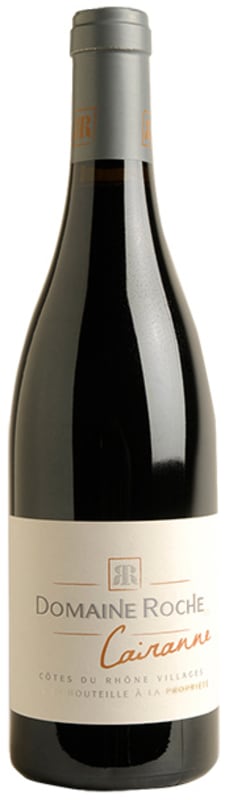
A beautiful effort, the 2013 Cairanne (70% Grenache and 30% Syrah aged 80% in concrete tank and 20% in barrique) is a pretty, polished Cairanne that has a seamless, silky profile that's hard to resist. Giving up plenty of black raspberry, creamy licorice, sweet garrigue and hints of more savory truffle and soy sauce, it's medium-bodied, moderately concentrated and balanced, with fine tannin lending focus on the finish. As with a lot of the 2013, this shines for its freshness, suppleness and forward character, and should be consumed over the coming 2-4 years.


With bold fruit flavors and accents of sweet spice, Grenache, Syrah and Mourvèdre form the base of the classic Rhône Red Blend, while Carignan, Cinsault and Counoise often come in to play. Though they originated from France’s southern Rhône Valley, with some creative interpretation, Rhône blends have also become popular in other countries. Somm Secret—Putting their own local spin on the Rhône Red Blend, those from Priorat often include Merlot and Cabernet Sauvignon. In California, it is not uncommon to see Petite Sirah make an appearance.

An appellation full of some of the most delightful and particularly charming reds, Côtes du Rhône Villages includes the best villages of the greater Côtes du Rhône appellation. The possibility for an appellation promotion exists for every named village but each has to achieve and prove superior quality before an upgrade will be granted. The main ones today are Gigondas, Vacqueyras, Beaumes-de-Venise, Vinsobres, Rasteau and Cairanne.
The Gigondas appellation, while sometimes producing wines with a touch of rusticity, can often rival Chateauneuf-du-Pape. Its elevations are higher and soils richer in limestone. Vacqueyras reds are more concentrated than the more general Côtes du Rhône reds and must be at least one half comprised of Grenache by law. Beaumes de Venise also includes some excellent higher elevation spots for making snappy, fruity and spicy reds but historically the appellation’s esteem came from its fragrant, sweet and golden Muscat de Beaumes-de-Venise.