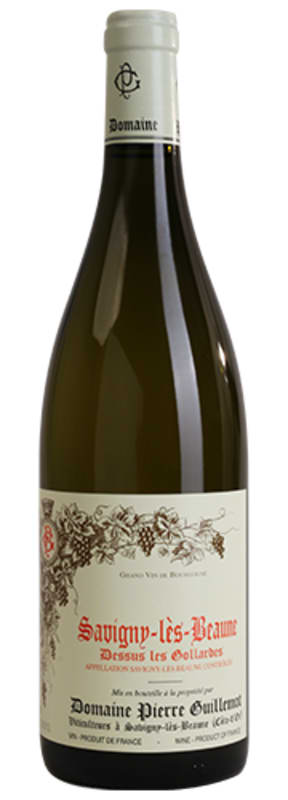


Winemaker Notes
Professional Ratings
-
Jasper Morris
This is a thoroughly individual wine so I will take the time to detail how it is made. The grapes, 70% Pinot Blanc, are crushed, pressed and settled to remove about half the solids. Fermentation starts in tanka nd then continues in wood, of which a third each is 228-, 400- and 600-litre in size, with 20% new wood overall, but entirely within the 400-litre part. They use the cooper Foailly, with ‘zebra’ barrels made half-and-half with oak and acacia, and using thicker staves than is the norm. The 2023 came in at 13% alcohol. It has a clear mid lemon colour, with nothing heated on the nose, a little bit of the apple flavour I associate with pinot blanc. It is riper on the palate, with adequate acidity, and certainly the classic persistence.
-
Vinous
The 2023 Savigny-lès-Beaune Dessus Les Gollardes is a joint project with the "Reverend Riesling," German winemaker Klaus Peter Keller, where each berry was checked one by one over four hours of sorting. This has a complex nose with nectarine, peach skin and a touch of honeysuckle. The palate is well balanced with fine delineation, a keen line of acidity and a lightly spiced finish. This is well worth seeking out.

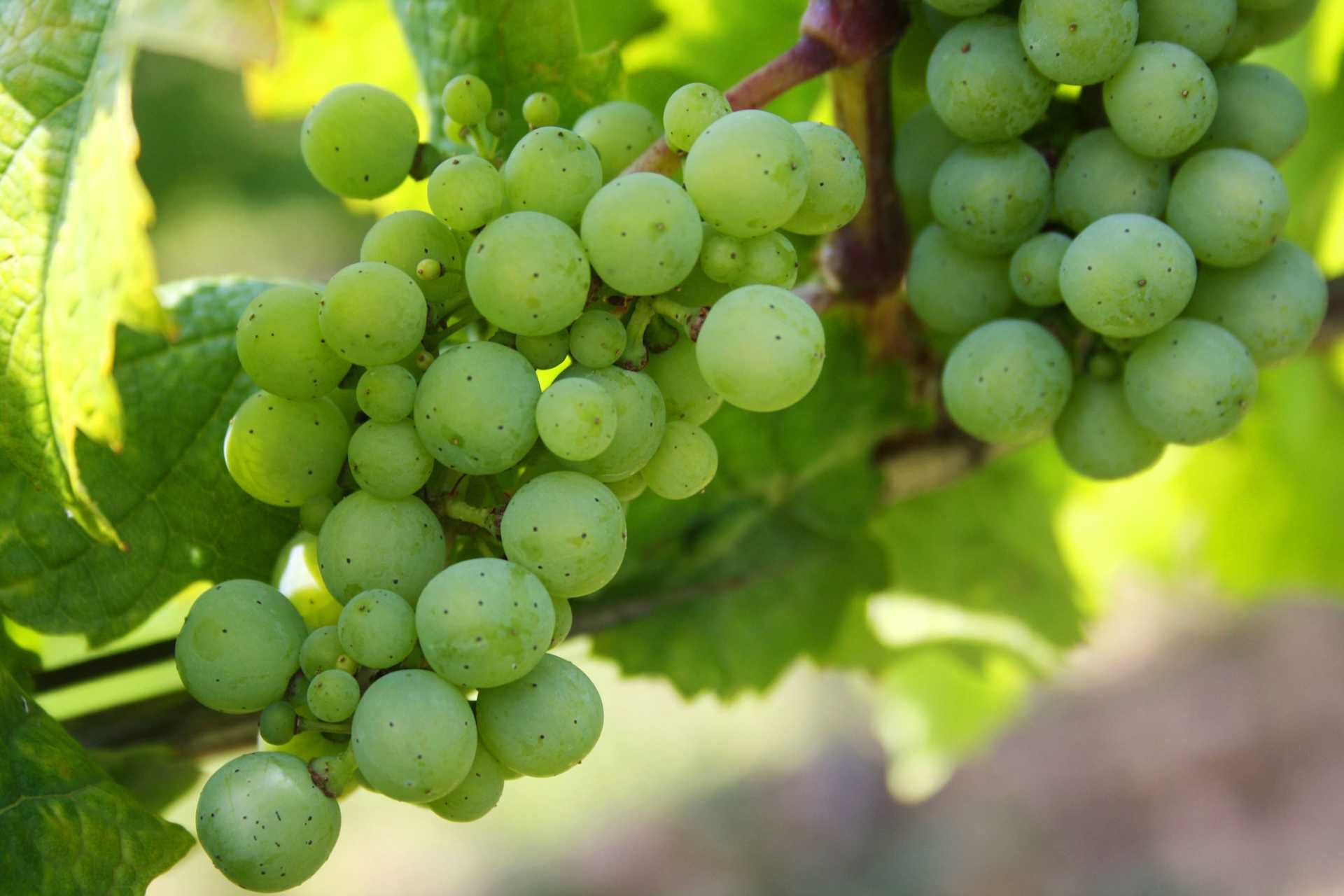
With hundreds of white grape varieties to choose from, winemakers have the freedom to create a virtually endless assortment of blended white wines. In many European regions, strict laws are in place determining the set of varieties that may be used in white wine blends, but in the New World, experimentation is permitted and encouraged. Blending can be utilized to enhance balance or create complexity, lending different layers of flavors and aromas. For example, a variety that creates a soft and full-bodied white wine blend, like Chardonnay, would do well combined with one that is more fragrant and naturally high in acidity. Sometimes small amounts of a particular variety are added to boost color or aromatics. Blending can take place before or after fermentation, with the latter, more popular option giving more control to the winemaker over the final qualities of the wine.

Savigny-lès-Beaune is a small village near Beaune that produces delightful red and white wines under its own appellation name. Cut by a river, the vineyards on its southern side have sandy soils that result in charming, floral reds. Premiers Crus vineyards on this side include Les Peuillets, Les Narbantons, Les Rouvrettes and Les Marconnets.
On Savigny’s northern side, bordering Pernand-Vergelles, vineyards are planted on rocky soils and produce juicy and spicy Pinot Noir. The village’s best whites, all made of Chardonnay, are full on the palate and abound in texture, complexity and freshness.