


Winemaker Notes
Rosé really does work well in Corsica. It's hard not to grab the slightly pink hued bottle when the Mediterranean Sea is sparkling in the background. This one is fresh and bright but also a little savory. The palate has more depth than the color would lead you to believe. It conveys the character of the Cap Corse quite well.
Blend: 70% Nielluccio, 30% Grenache

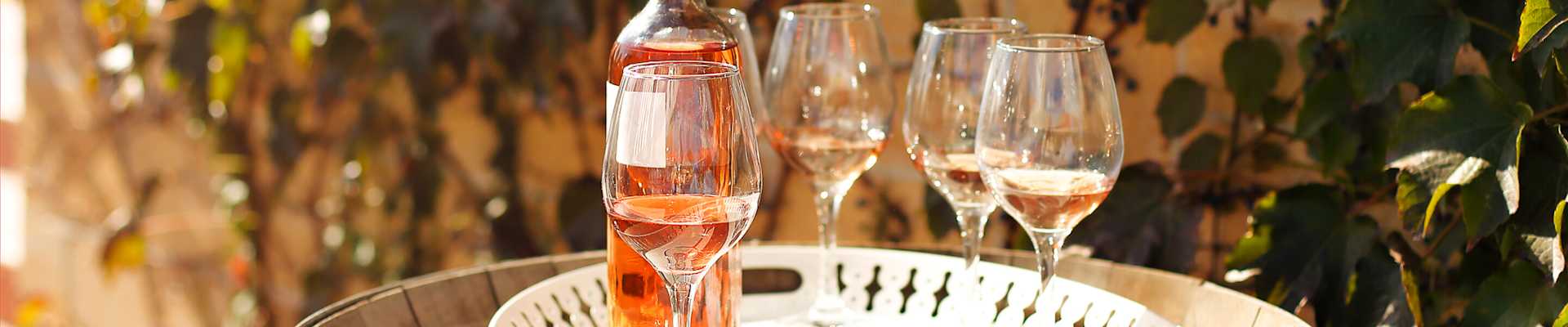
Whether it’s playful and fun or savory and serious, most rosé today is not your grandmother’s White Zinfandel, though that category remains strong. Pink wine has recently become quite trendy, and this time around it’s commonly quite dry. Since the pigment in red wines comes from keeping fermenting juice in contact with the grape skins for an extended period, it follows that a pink wine can be made using just a brief period of skin contact—usually just a couple of days. The resulting color depends on grape variety and winemaking style, ranging from pale salmon to deep magenta.

A mountainous, Mediterranean island covered in vineyards, Corsica, while closer to Italy in proximity and history, is today under France's political jurisdiction. The island is home to a mix of Italian and French grapes, typically planted at high elevations. Niellucciu (Sangiovese), Sciacarellu (Mammolo), and Vermentino (Rolle) are the main grape varieties of Corsica, and account for about two thirds of all Corsican wines produced.