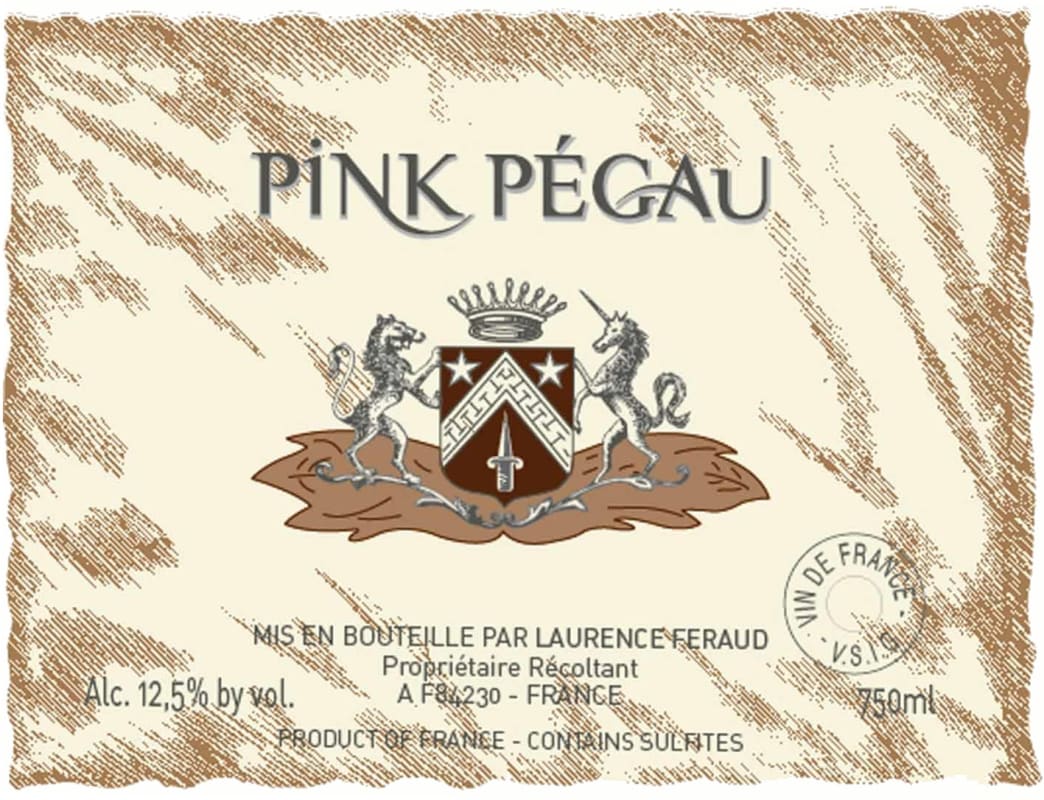

Winemaker Notes


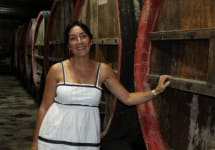
Ancestors of father and daughter team Paul and Laurence Féraud farmed olives, cherries and grapes in Chateauneuf-du-Pape dating back to the 17th century. The methods established centuries ago carry on in the current vintages, creating robust, concentrated, traditional red and white wines. For many years the winery was known as Domaine Feraud fils and they made traditional Chateauneuf-du-Pape.
In 1987 Domaine du Pegau was formed as we know it today, when Laurence Feraud returned from her winemaking studies and she teamed up with her father Paul to create the winery. Complementing each other they have conserved the authenticity and quality of their Chateauneuf-du-Pape whilst bringing it to the attention of wine lovers around the world.
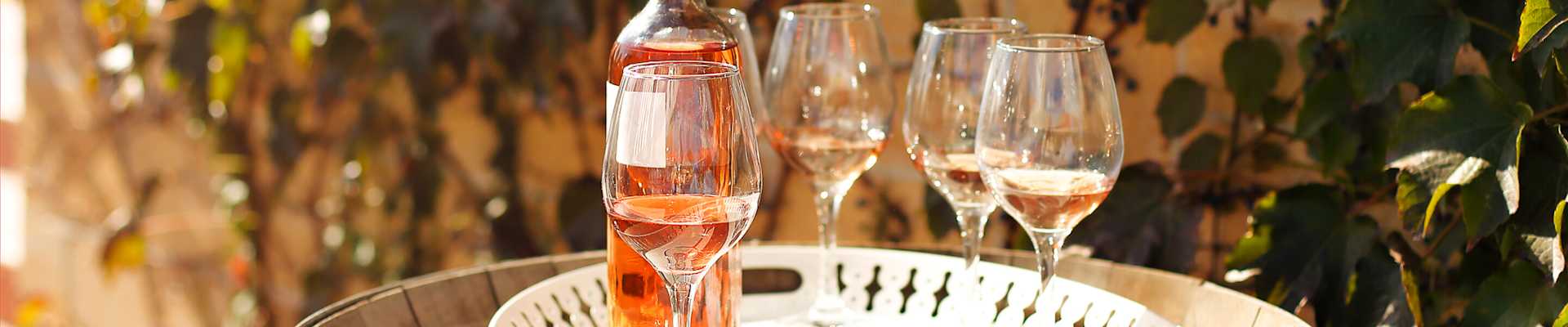
Whether it’s playful and fun or savory and serious, most rosé today is not your grandmother’s White Zinfandel, though that category remains strong. Pink wine has recently become quite trendy, and this time around it’s commonly quite dry. Since the pigment in red wines comes from keeping fermenting juice in contact with the grape skins for an extended period, it follows that a pink wine can be made using just a brief period of skin contact—usually just a couple of days. The resulting color depends on grape variety and winemaking style, ranging from pale salmon to deep magenta.

A small category representing the wines that either fall outside of appellation lines or don’t subscribe to the law and traditions set forth by the French government within certain classified appellations, “Vin De France” is a catch-all that includes some of the most basic French wines as well as those of superior quality. The category includes large production, value-driven wines. It also includes some that were made with a great deal of creativity, diligence and talent by those who desire to make wine outside of governmental restrictions. These used to be called Vin de Table (table wine) but were renamed to compete with other European countries' wines of similar quality.