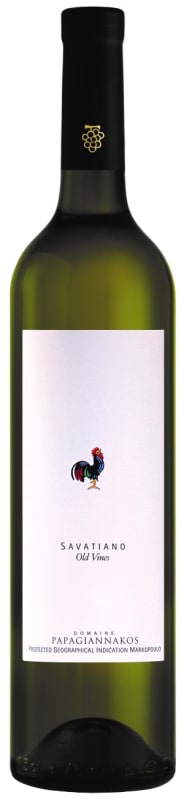


Winemaker Notes
Bright gold and clear in color, delicate bouquet, aroma of citrus. Medium acidity, long and pleasant aftertaste.
The medium-weight palate and acidity make this a versatile pairing wine. Enjoy with a variety of Mediterranean dishes, fresh salads and seafood, as well as sushi, cheese and poultry.
Professional Ratings
-
Wine & Spirits
This is a light approach to savatiano, which can often give heavy, low-acid wines from central Greece. Here, there is elegant lift to the wine as it expands from a stony entry to citrus and stone-fruit flavors. Notes of white pepper fuse with a subtle, electric acidity on the finish of this uncommonly complex.
-
Robert Parker's Wine Advocate
The 2022 Savatiano Old Vines is unoaked and comes in at 12.6% alcohol. This is mightily impressive in its youth. Textured and long on the finish, it has enough ripeness to deliver some flavor while remaining lively and refreshing. The structure lifts the fruit and allows it to linger. It's precise, clean and focused. This has a good chance to age decently too. I'm always reluctant to put long aging numbers on this. It's worth leaning up on evaluation periodically anyway because it does other things so well, but this might develop a bit over a couple of years too. Overall, it's a nice performance this year.
-
Wine Enthusiast
Fresh and lively, this medium-bodied white wine features Greece’s indigenous Savatiano, a white grape with fresh lemon juice and white-peach aromas. Vegan and vinified entirely in steel, it’s an easy-drinking wine that could be served chilled as an aperitif or with all sorts of foods, especially vegetable- and acid- forward dishes. There are floral and stone fruit notes plus ample acidity on the long, racy finish.


There are hundreds of white grape varieties grown throughout the world. Some are indigenous specialties capable of producing excellent single varietal wines. Each has its own distinct viticultural characteristics, as well as aroma and flavor profiles.

A picturesque Mediterranean nation with a rich wine culture dating back to ancient times, Greece has so much more to offer than just retsina. Between the mainland and the country’s many islands, a wealth of Greek wine styles exists, made mostly from Greece’s plentiful indigenous varieties. After centuries of adversity after Ottoman rule, the modern Greek wine industry took off in the late 20th century with an influx of newly trained winemakers and investments in winemaking technology.
The climate—generally hot Mediterranean—can vary a bit with latitude and elevation, and is mostly moderated by cool maritime breezes. Drought can be an issue for Greek wine during the long, dry summers, sometimes necessitating irrigation.
Over 300 indigenous grapes have been identified throughout Greece, and though not all of them are suitable for wine production, future decades will likely see a significant revival and refinement of many of these native Greek wine varieties. Assyrtiko, the crisp, saline Greek wine variety of the island of Santorini, is one of the most important and popular white wine varieties, alongside Roditis, Robola, Moschofilero, and Malagousia. Muscat is also widely grown for both sweet and dry wines. Prominent red wine varieties include full-bodied and fruity Agiorghitiko, native to Nemea; Macedonia’s savory, tannic Xinomavro; and Mavrodaphne, used commonly to produce a Port-like fortified wine in the Peloponnese.