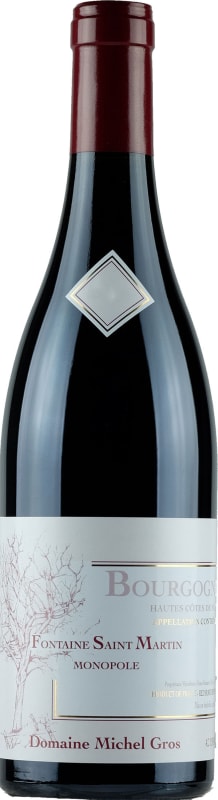


Winemaker Notes
The soil is made up of mixed limestone and marls from the Upper Oxfordian (Jurassic) Period. This geological stage is to be found again on the Hill of Corton situated 5 km to the south. This soil structure is commonly called “Marls of Pernand”, from the name of the village of Pernand Vergelesses, located at the foot of the Hill of Corton. The winemaker has always vinified and aged these different parcels of Hautes-Cotes separately, with the final blending only taking place shortly before bottling. In this way, he has been able to measure over almost 30 vintages the interest and originality of this wine from the Fontaine Saint Martin. This is the reason, added to the successful completion of the work of reunifying and replanting the parcel, that convinced him to highlight the individuality of this cuvee Monopole, starting from the 2014 vintage.
Professional Ratings
-
Wine Spectator
Intense aromas of graphite, black cherry and blackberry, with a light vegetal element, greet the senses in this smooth red, which is packed with ripe black fruit flavors, shaded by spice and leafy underbrush accents. Drink now.


Thin-skinned, finicky and temperamental, Pinot Noir is also one of the most rewarding grapes to grow and remains a labor of love for some of the greatest vignerons in Burgundy. Fairly adaptable but highly reflective of the environment in which it is grown, Pinot Noir prefers a cool climate and requires low yields to achieve high quality. Outside of France, outstanding examples come from in Oregon, California and throughout specific locations in wine-producing world. Somm Secret—André Tchelistcheff, California’s most influential post-Prohibition winemaker decidedly stayed away from the grape, claiming “God made Cabernet. The Devil made Pinot Noir.”

In the hills just above the commune appellations of the Côte de Nuits, rising to about 1,600 feet, scattered vineyards join to form what is known as the Hautes Côtes de Nuits.
Hautes Côtes de Nuits together with Hautes Côtes de Beaune include 47 communes. Collectively the wines of the Hautes Côtes offer a great introduction to the personality of Burgundy—both red and white—that won’t make a dent in the pocketbook.
The majority of wines produced here are red (made of Pinot Noir) and show a spry fruitiness, crisp texture and aromas of blackcurrant, cherry, rose, violet, pepper and mint. Red Hautes Côtes are perfect with crostini topped with pork or duck rillettes, soft soft cheeses like Camembert or Brillat-Savarin and dishes such as grilled lamb or roasted quail.
Whites, while less prolific, offer diversity and aside from Chardonnay, this is where one might occasionally run into the very rare Pinot Blanc or Pinot Gris, which are completely forbidden among Villages appellations and Crus. Aligoté grows here as well, alongside the blackcurrant bushes used to make cassis for vin blanc cassis (a cocktail of dry white wine mixed with blackcurrant liqueur). Hautes Côtes whites show qualities such as lemon, quince, apple, pear, white peach and honeysuckle; they are great stand-alone sippers or paired with savory tapas, sautéed shrimp and flaky white fish.