
Winemaker Notes
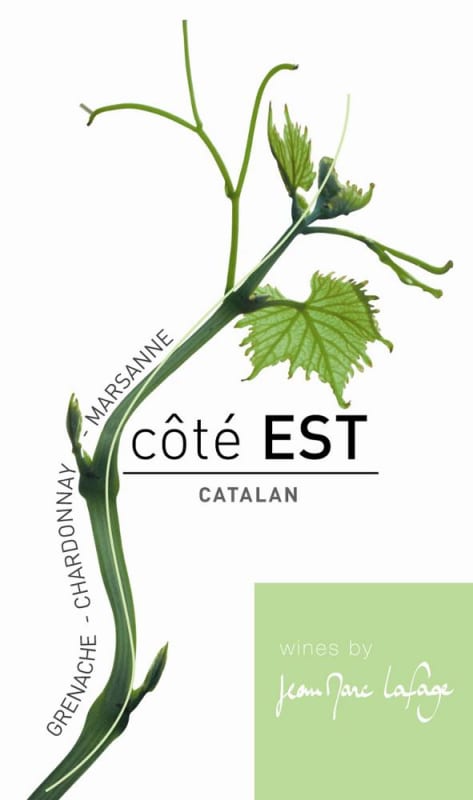
Blend: 60% Grenache Blanc, 30% Chardonnay, and 10% Marsanne
Professional Ratings
-
Robert Parker's Wine Advocate
The Lafage 2010 Cote Est - comprising, as usual, Grenache Blanc, Grenache Gris, Chardonnay, and a bit of Marsanne - is delightfully scented with honeysuckle and iris, and its palate combination of juicy lime with the bite of cress, tangerine rind, and persistent inner-mouth florality put me in mind of some top-notch, lighter Gruner Veltliner. In fact, this harbors 13% alcohol yet finishes with a striking sense of levity, not to mention combining subtle but alluring textural enrichment via the lees with refreshing vivacity and intriguing, mouthwatering hints of iodine and salt. Look for it to prove phenomenally versatile over the next 12-18 months. As explained in issue 183, this blend is assembled as juice (not as wine) following a 12-15 day super-cold but gentle settling period for each variety and lot - just one of the many examples of wholly unorthodox Lafage methods resulting in something extraordinary, here above all in terms of uncanny balance as well as improbable price-quality rapport.

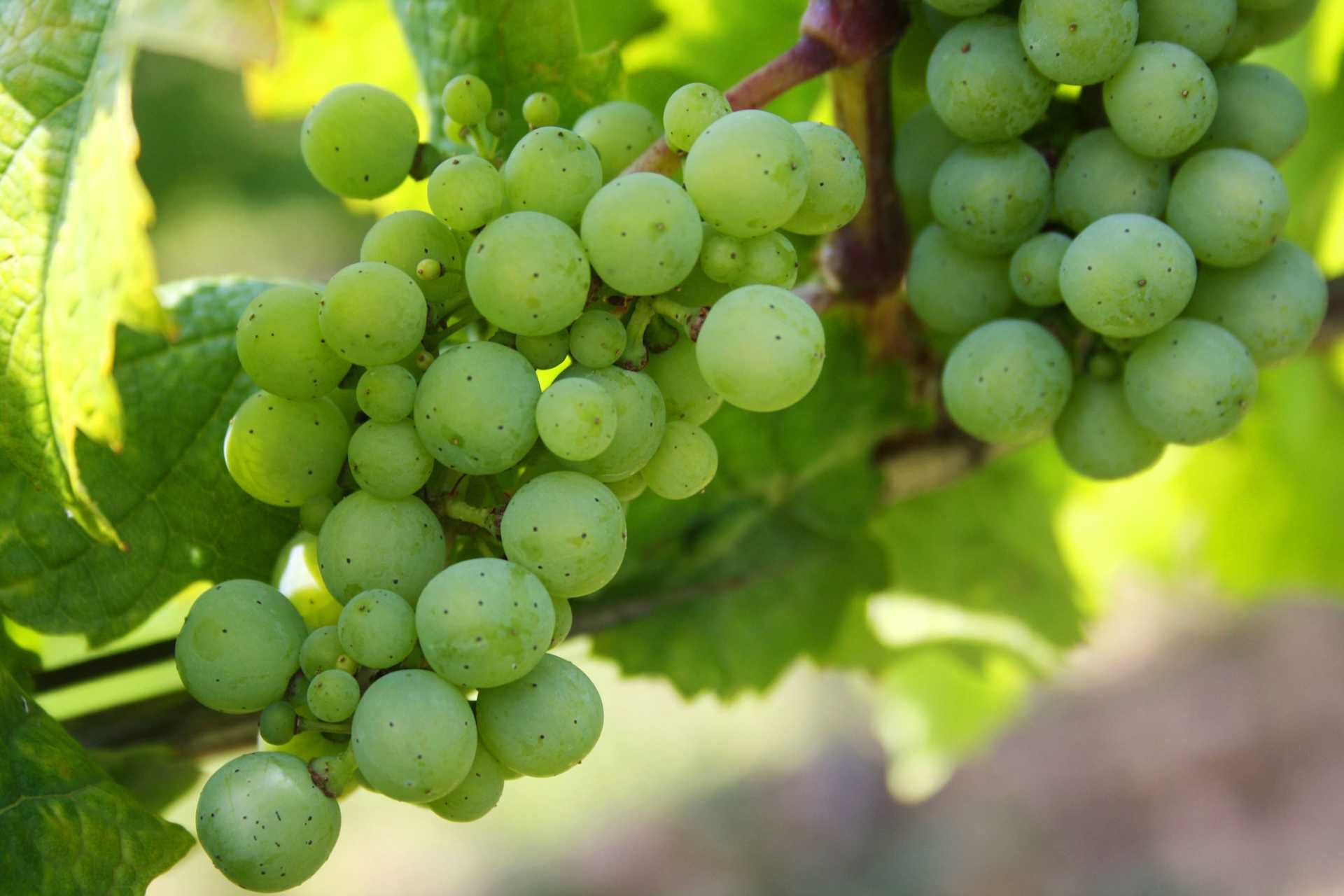
With hundreds of white grape varieties to choose from, winemakers have the freedom to create a virtually endless assortment of blended white wines. In many European regions, strict laws are in place determining the set of varieties that may be used in white wine blends, but in the New World, experimentation is permitted and encouraged. Blending can be utilized to enhance balance or create complexity, lending different layers of flavors and aromas. For example, a variety that creates a soft and full-bodied white wine blend, like Chardonnay, would do well combined with one that is more fragrant and naturally high in acidity. Sometimes small amounts of a particular variety are added to boost color or aromatics. Blending can take place before or after fermentation, with the latter, more popular option giving more control to the winemaker over the final qualities of the wine.

French wine is nearly synonymous with fine wine and all things epicurean, France has a culture of wine production and consumption that is deeply rooted in tradition. Many of the world’s most beloved grape varieties originated here, as did the concept of “terroir”—soil type, elevation, slope and mesoclimate combine to produce resulting wines that convey a sense of place. Accordingly, most French wine is labeled by geographical location, rather than grape variety. So a general understaning of which grapes correspond to which regions can be helpful in navigating all of the types of French wine. Some of the greatest wine regions in the world are here, including Bordeaux, Burgundy, the Rhône and Champagne, but each part of the country has its own specialties and strengths.
Pinot Noir and Chardonnay are the king and queen of Burgundy, producing elegant French red and white wines with great acidity, the finest examples of which can age for decades. The same two grapes, along with Pinot Meunier, are used to make Champagne.
Of comparable renown is Bordeaux, focused on bold, structured red blends of Cabernet Sauvignon, Merlot, Cabernet Franc including sometimes a small amount of Petit Verdot or Malbec. The primary white varieties of Bordeaux are Sauvignon Blanc and Sémillon.
The northern Rhône Valley is responsible for single-varietal Syrah, while the south specializes in Grenache blends; Rhône's main white variety is Viognier.
Most of these grape varieties are planted throughout the country and beyond, extending their influence into other parts of Europe and New World appellations.