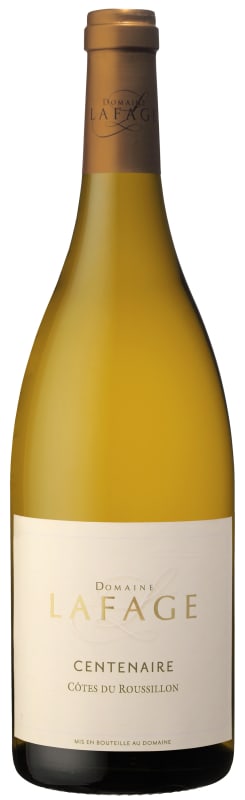


Winemaker Notes
Cuvée Centenaire takes its name from the 100 year-old vines of Grenache Blanc and Gris Jean-Marc Lafage farms just a few kilometers from the Mediterranean on gravelly clay soils. One of the greatest white wine values in our portfolio, the final wine blends these ancient grapes with up to 20% younger vine Roussanne. To make a wine that is both rich and balanced the grapes are harvested in two passes, the first when they just reach ripeness and are still high in acidity and a second pass when the grapes are fully ripe with rich fruit flavors. The wine is then aged in a combination of tank and new French oak barrels.

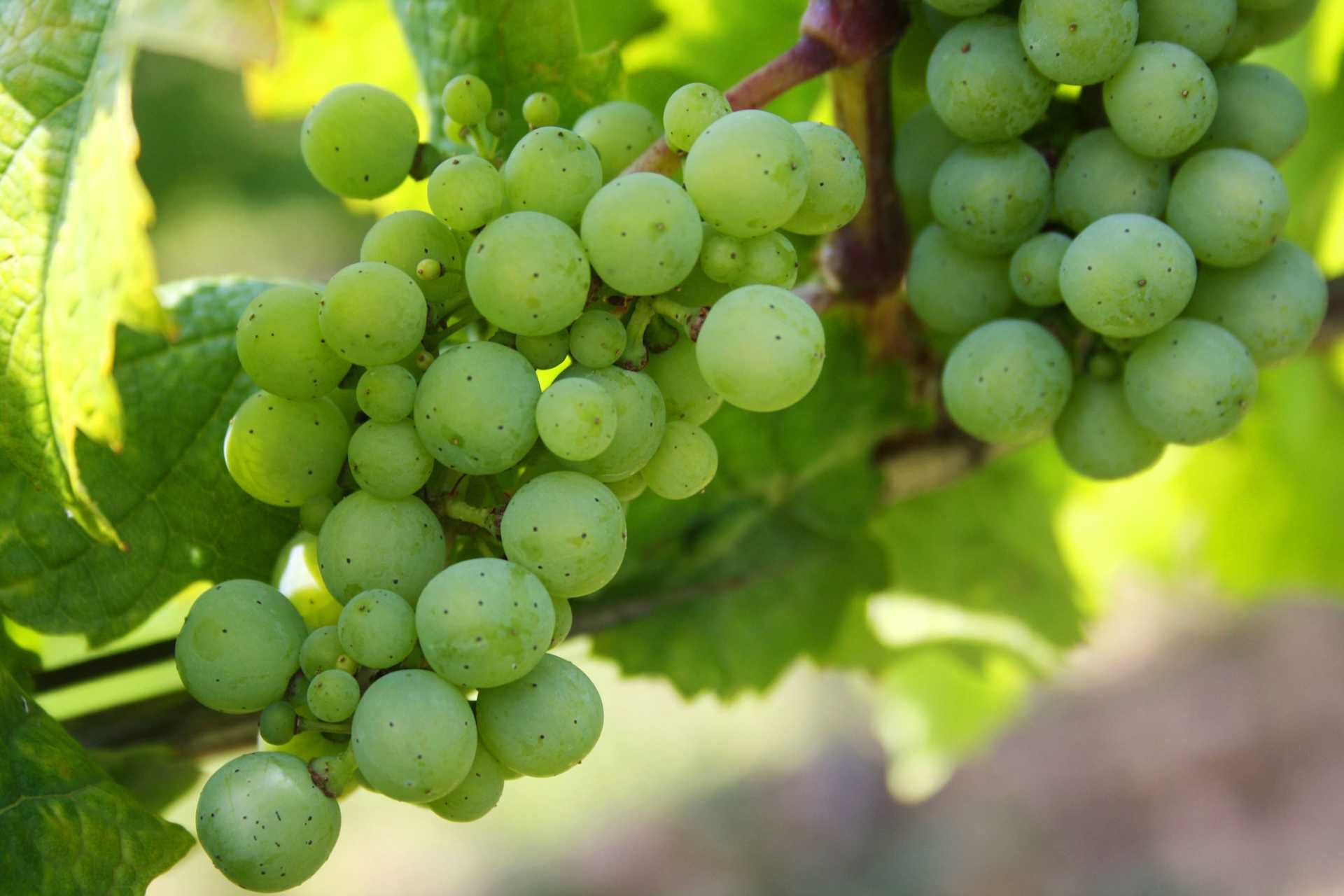
With hundreds of white grape varieties to choose from, winemakers have the freedom to create a virtually endless assortment of blended white wines. In many European regions, strict laws are in place determining the set of varieties that may be used in white wine blends, but in the New World, experimentation is permitted and encouraged. Blending can be utilized to enhance balance or create complexity, lending different layers of flavors and aromas. For example, a variety that creates a soft and full-bodied white wine blend, like Chardonnay, would do well combined with one that is more fragrant and naturally high in acidity. Sometimes small amounts of a particular variety are added to boost color or aromatics. Blending can take place before or after fermentation, with the latter, more popular option giving more control to the winemaker over the final qualities of the wine.

Although it is a region predominantly recognized for fortified, vins doux naturels (a type of sweet wine), Roussillon is also ideal for the production of dry red, white and rose wines. To encompass all the dry wines from the surrounding region that are not the vins doux naturels of Banyuls, Maury and Rivesaltes, the appellation of Côtes du Roussillon was created in 1977. It covers the eastern half of the Pyrénées-Orientales (the eastern side of the Pyrenees Mountains) and lower lands of Roussillon. Côtes du Roussillon includes complex soils of schist, limestone, gneiss and granite and climatic conditions that support many grape varieties.
Côtes du Roussillon red wines are blends made from Grenache, Syrah, Mourvedre and smaller amounts of Carignan, Cinsault and the lesser known, Lledoner Pelut. Rosé wines come from the same varieties, as well as may include Grenache Gris and Macabeo. White wines from Côtes du Roussillon are Grenache Blanc and Macabeo with small amounts of Marsanne, Roussanne and Rolle (aka Vermentino).