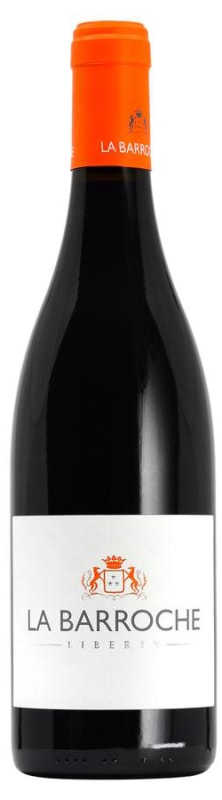


Winemaker Notes
2015 was the first vintage of this new project that Julien made with his friend Yannick Alliaud. They found a very old-vine parcel located at 125 meters above sea-level in Chateauneuf-de-Gadagne, just east of Avignon. The soils are very similar to La Crau in Châteauneuf-du-Pape with layers of sand, clay, and the famous galets stones found in Châteauneuf. The Grenache vines were planted in the 1930's (about 55% of the blend) and the Mourvedre (12% of the blend) and Cinsault were planted just after WWII. The balance is Syrah, Cinsault, and Carignan. The vines are goblet-trained, which protects the fruit from the sun.
Professional Ratings
-
Jeb Dunnuck
From vines planted in 1947, the 2023 Liberty is based on 52% Grenache and 17% Cinsault with the rest Mourvèdre, Syrah, and Carignan, brought up mostly in foudre but some in demi-muids and wine globe. Red and black cherries, sweet strawberries, spring flowers, and spice all emerge from this medium-bodied wine. It has a supple, elegant mouthfeel, fine tannins, and outstanding length. This beautifully balanced, elegant, impressive effort will drink well over the coming decade. Drink 2025-2035.
-
Wine Spectator
Shows a fresh burst of brambly berries, cherry, anise root and black licorice chiseled by salty acidity and smoldering graphite. Silky in feel, with baking spice and lavender notes held with pliable tannins, this is finessed and offers depth without heaviness. Grenache, Cinsault, Mourvèdre, Syrah and Carignan.


Grenache thrives in any warm, Mediterranean climate where ample sunlight allows its clusters to achieve full phenolic ripeness. While Grenache's birthplace is Spain (there called Garnacha), today it is more recognized as the key player in the red blends of the Southern Rhône, namely Châteauneuf-du-Pape, Côtes du Rhône and its villages. Somm Secret—The Italian island of Sardinia produces bold, rustic, single varietal Grenache (there called Cannonau). California, Washington and Australia have achieved found success with Grenache, both flying solo and in blends.

A small category representing the wines that either fall outside of appellation lines or don’t subscribe to the law and traditions set forth by the French government within certain classified appellations, “Vin De France” is a catch-all that includes some of the most basic French wines as well as those of superior quality. The category includes large production, value-driven wines. It also includes some that were made with a great deal of creativity, diligence and talent by those who desire to make wine outside of governmental restrictions. These used to be called Vin de Table (table wine) but were renamed to compete with other European countries' wines of similar quality.