

Winemaker Notes
Professional Ratings
-
Robert Parker's Wine Advocate
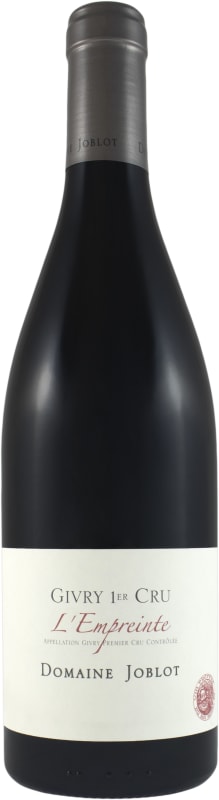
The latest manifestation of new cuvée chez Joblot that debuted a few years ago is the 2018 Givry 1er Cru L'Empreinte, a blend of fruit from premiers crus Servoisine, Cellier Aux Moines, Marole and Bois Chevaux. The wine has turned out beautifully, wafting from the glass with an inviting nose of cherries, crushed cassis and plums mingled with hints of smoked meats and spices. Medium to full-bodied, velvety and layered, it's deep and concentrated, with an elegant chassis of powdery tannins, lively acids and a long finish. With better oak integration at this early stage than the Joblot wines of yesterday, it's seamless and harmonious.


Thin-skinned, finicky and temperamental, Pinot Noir is also one of the most rewarding grapes to grow and remains a labor of love for some of the greatest vignerons in Burgundy. Fairly adaptable but highly reflective of the environment in which it is grown, Pinot Noir prefers a cool climate and requires low yields to achieve high quality. Outside of France, outstanding examples come from in Oregon, California and throughout specific locations in wine-producing world. Somm Secret—André Tchelistcheff, California’s most influential post-Prohibition winemaker decidedly stayed away from the grape, claiming “God made Cabernet. The Devil made Pinot Noir.”

Noted as the preferred wine of King Henry IV of the late 1500s—though maybe because his mistress came from here!—Givry is a top red wine-producing village in the Côte Chalonnaise.
Its firmly structured reds, made exclusively from Pinot Noir, also boast plenty of blackberry and strawberry fruit with supple tannins that benefit from about two to five years in the bottle. The robust fruit and firmness on the palate in a Givry red begs for dishes such as mixed charcuterie, braised veal, stewed poultry or roasted duck.
Typical Givry whites have a fresh bouquet of lemon, lime, white flower licorice and can benefit and become softer with age.