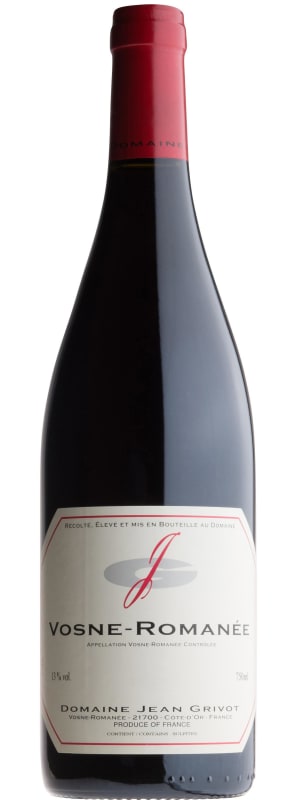


Winemaker Notes
The wine shows aromas and flavors of red berries, herbs, and purple flowers. The palate is rich with ripe fruit and medium weight with bright acidity and fine tannins. Aging in up to 20% new Burgundian pièce brings notes of vanilla, toast, and baking spices. Red Burgundy might be the world’s most flexible food wine. The wine’s high acidity, medium body, medium alcohol, and low tannins make it very food-friendly. Red Burgundy, with its earthy and sometimes gamey character, is a classic partner to roasted game birds, grilled duck breast, and dishes that feature mushrooms, black truffles, or are rich in umami.
Professional Ratings
-
Decanter
This blend of grapes from a series of village-level parcels is by far the largest production at Grivot and it is just what you would want from a Vosne-Romanée. Lieux-dits include Aux Champs Perdrix at the top of the slope, Aux Réas, as well as others further down from the premiers crus. The blend delivers very expressive red berry fruit, firmly grippy tannins and a velvety texture on the palate that is a delight
-
Jasper Morris
Dense rich purple, the nose has stayed classic, very promising. Very good balance here, gains energy through the middle and finishes on adequate acidity. All in a pure fresh red fruit. Given that the Griots so not pick early it is good to see the classic qualities of this Vosne-Romanée.
Barrel Sample: 90-92 -
Wine Spectator
The picture of elegance, this floral-, cherry- and raspberry-flavored red is supple and delicate. A hint of oak spice comes into play as this winds down on the finish. Fine balance. Drink now.


Thin-skinned, finicky and temperamental, Pinot Noir is also one of the most rewarding grapes to grow and remains a labor of love for some of the greatest vignerons in Burgundy. Fairly adaptable but highly reflective of the environment in which it is grown, Pinot Noir prefers a cool climate and requires low yields to achieve high quality. Outside of France, outstanding examples come from in Oregon, California and throughout specific locations in wine-producing world. Somm Secret—André Tchelistcheff, California’s most influential post-Prohibition winemaker decidedly stayed away from the grape, claiming “God made Cabernet. The Devil made Pinot Noir.”

This is the village for the most die-hard Burgundy fanatics. Vosne-Romanée has for many hundreds of years been the source of the most sought-after Pinot Noir in Burgundy. The village claims six Grands Crus—and some of the most famous at that—but in other villages where owners manage tiny parcels or a few rows of any one vineyard, monopolies dominate the Grands Crus of Vosne-Romanee.
Of these monopolies, Domaine Romanee-Conti (DRC) reigns supreme, claiming not only more total vineyard area than any other producer, but outright owning the entirety of two of the Grands Crus and a majority of two others. In its full possession are naturally Romanée-Conti, as well as La Tâche. DRC also owns most of Richebourg and Romanée-St-Vivant. The final two, La Grande Rue and La Romanée are completely owned by other other produers: François Lamarche and Comte Liger Belair, respectively.
While one could spend a lifetime on the puzzles of land ownership in Burgundy, the point is that Vosne-Romanee contains the most valuable pieces of vineyard real estate in the world. Pinot Noir from any of its vineyards—especially from within its 27ha of Grand Cru or 58 ha of Premier Cru land—is going to rank among the best.
The most outstanding wines from this village have everything: finesse and elegance coupled with the body and sturdiness for incredibly long aging ability. They are intensely floral and exotically spiced. Beautifully ripe, complex and ephemeral throughout, they are robust, yet fine-grained in texture. These wines will stay gorgeous for the long haul.