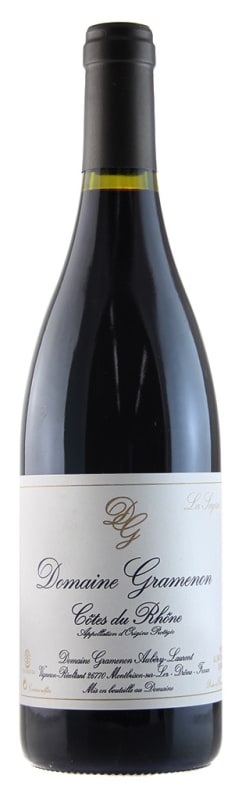


Winemaker Notes
Old Grenache vines aged from 50 to 70 years cultivated with biodynamic farming methods. Wait at least one year after bottling before opening. Decanting is recommended. Can last until 10 years depending on vintages.
Professional Ratings
-
James Suckling
Mon dieu, this is delicious! Hedonistic grenache, yet with such refinement and freshness, that I could gulp the entire bottle in about two glasses! Immaculate poise, due to the structural elements compressing riffs on blue to red-berry summer pudding, rose petal, garrigue and tapenade. Chiffon-like, juicy and just gorgeous. Wow! Arguably not the most complex wine, but certainly the most complete and dangerous. From biodynamically grown grapes with Demeter certification.


With bold fruit flavors and accents of sweet spice, Grenache, Syrah and Mourvèdre form the base of the classic Rhône Red Blend, while Carignan, Cinsault and Counoise often come in to play. Though they originated from France’s southern Rhône Valley, with some creative interpretation, Rhône blends have also become popular in other countries. Somm Secret—Putting their own local spin on the Rhône Red Blend, those from Priorat often include Merlot and Cabernet Sauvignon. In California, it is not uncommon to see Petite Sirah make an appearance.

Typically thought of as a baby Chateâuneuf-du-Pape, the term Côtes du Rhône actually doesn’t merely apply to the flatter outskirts of the major southern Rhône appellations, it also includes the fringes of well-respected northern Rhône appellations. White wines can be produced under the appellation name, but very little is actually made.
The region offers some of the best values in France and even some first-rate and age-worthy reds. Red wine varieties include most of the Chateâuneuf-du-Pape varieties like Grenache, Syrah, Mourvedre, Cinsault, and Counoise, as well as Carignan. White grapes grown include Grenache blanc, Roussanne and Viognier, among others.