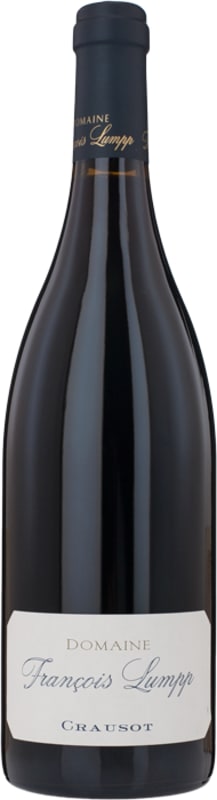


Winemaker Notes
The best examples of Givry can have substantial structure, depth, and complexity, however, and can be expected to age as successfully as the premier crus of the Côte de Beaune, which is certainly the case at this address. François was one of the first to believe in the potential of Givry’s terroir for white Burgundy, and is reputed for his white today. His Chardonnays are a study in grace and balance.
Professional Ratings
-
Robert Parker's Wine Advocate
The most structured of the domaine's three whites is the 2019 Givry 1er Cru Crausot Blanc, a medium to full-bodied, satiny wine that's evocative of orange oil, pears, pastry cream and white flowers. Textural and incisive, it's framed by chalky extract.


One of the most popular and versatile white wine grapes, Chardonnay offers a wide range of flavors and styles depending on where it is grown and how it is made. While it tends to flourish in most environments, Chardonnay from its Burgundian homeland produces some of the most remarkable and longest lived examples. California produces both oaky, buttery styles and leaner, European-inspired wines. Somm Secret—The Burgundian subregion of Chablis, while typically using older oak barrels, produces a bright style similar to the unoaked style. Anyone who doesn't like oaky Chardonnay would likely enjoy Chablis.

Noted as the preferred wine of King Henry IV of the late 1500s—though maybe because his mistress came from here!—Givry is a top red wine-producing village in the Côte Chalonnaise.
Its firmly structured reds, made exclusively from Pinot Noir, also boast plenty of blackberry and strawberry fruit with supple tannins that benefit from about two to five years in the bottle. The robust fruit and firmness on the palate in a Givry red begs for dishes such as mixed charcuterie, braised veal, stewed poultry or roasted duck.
Typical Givry whites have a fresh bouquet of lemon, lime, white flower licorice and can benefit and become softer with age.