


Winemaker Notes
Professional Ratings
-
Robert Parker's Wine Advocate
The 2024 Gigondas Rosé from Paul Fumoso is another remarkable effort for this perfumed and flamboyant cuvée. Macerated between six and 72 hours, depending on the vintage, it bursts with aromas of cassis, cherries, rose petals, pomegranate and crushed spices. Medium- to full-bodied, it’s round and enveloping on the palate, with a fleshy core of fruit, bright acids and a mouthwatering sense of freshness that carries through a long, ethereal finish. Aged in equal parts stainless steel and large-format barrels, this is a striking, gastronomic rosé of real character and depth. Sadly, production is limited to just 2,000 bottles—any serious wine lover should experience it at least once.
-
James Suckling
A serious, tactile and precise rosé with redcurrants, sour cherries and potpourri. It's medium-bodied with fresh acidity. Silky texture, so refined, yet full of verve and ambition. The fresh finish has a caressing texture and a floral influence. Drink or hold.
-
Vinous
Paul Fumoso's Rosé de saignée, crafted from Grenache, Mourvèdre and Cinsault, has firmly secured its place among the finest rosés of the appellation. Fresh red fruits and rose-petal aromas soar from the glass, lifted by a hint of yellow apple. Generous and concentrated yet tactile and refined, the medium-bodied 2024 Gigondas Rosé .26 stands shoulder to shoulder with the equally delicious 2023 I tasted last year.

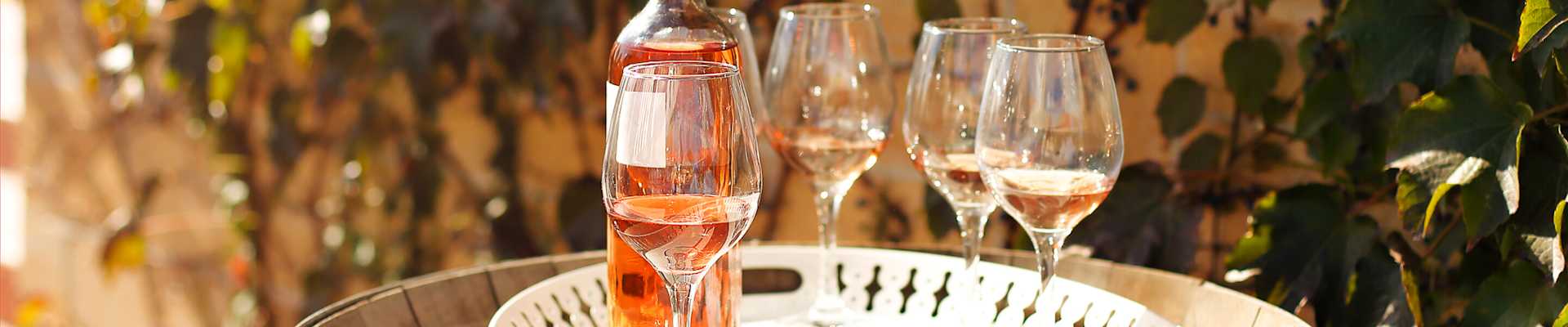
Whether it’s playful and fun or savory and serious, most rosé today is not your grandmother’s White Zinfandel, though that category remains strong. Pink wine has recently become quite trendy, and this time around it’s commonly quite dry. Since the pigment in red wines comes from keeping fermenting juice in contact with the grape skins for an extended period, it follows that a pink wine can be made using just a brief period of skin contact—usually just a couple of days. The resulting color depends on grape variety and winemaking style, ranging from pale salmon to deep magenta.

The Southern Rhône region of Gigondas extends northwest from the notably jagged wall of mountains called the Dentelles di Montmirail, whose highest point climbs to about 2,600 feet. The region and its wines have much in common with the neighboring Chateauneuf-du-Pape except that the vineyards of Gigondas exist at higher elevation and its soils, comprised mainly of crumbled limestone from the Dentelles, often produce a more dense and robust Grenache-based red wine.
The region has a history of fine winemaking, extending back to Roman times. But by the 20th century, Gigondas was merely lumped into the less distinct zone of Côtes du Rhône Villages. However, it was first among these satellite villages to earn its own appellation, which occurred in 1971.
Gigondas reds must be between 50 to 100% Grenache with Syrah and Mourvèdre comprising the bulk of the remainder of the blend. They tend express rustic flavors and aromas of wild blackberry, raspberry, fig, plum, as well as juniper, dried herbs, anise, smoke and river rock. The best are bold but balanced, and finish with impressively sexy and velvety tannins.
The Gigondas appellation also produces rosé but no white wines.