

Winemaker Notes
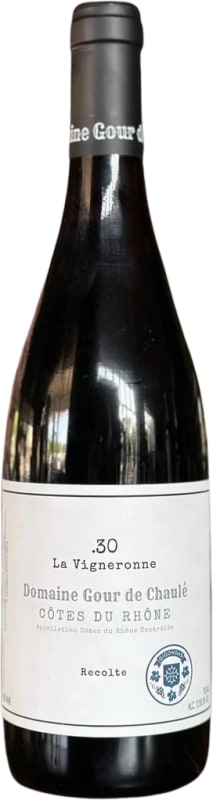
A small amount of Côtes du Rhône is produced from the vineyards owned by the estate in the communes of Vacqueyras and Violes. As with the more noble Gigondas, this cuvée is based almost exclusively on the Grenache grape (approximately 90% of the blend annually). It is vinified in a fashion similar to the Gigondas except that the élevage is less long. This is to say that there is an extended cuvaison with stems included, malolactic is done in cuve and the wine sees a brief stay in large foudres before being bottled eighteen months after harvest without fining or filtration.


With bold fruit flavors and accents of sweet spice, Grenache, Syrah and Mourvèdre form the base of the classic Rhône Red Blend, while Carignan, Cinsault and Counoise often come in to play. Though they originated from France’s southern Rhône Valley, with some creative interpretation, Rhône blends have also become popular in other countries. Somm Secret—Putting their own local spin on the Rhône Red Blend, those from Priorat often include Merlot and Cabernet Sauvignon. In California, it is not uncommon to see Petite Sirah make an appearance.

Typically thought of as a baby Chateâuneuf-du-Pape, the term Côtes du Rhône actually doesn’t merely apply to the flatter outskirts of the major southern Rhône appellations, it also includes the fringes of well-respected northern Rhône appellations. White wines can be produced under the appellation name, but very little is actually made.
The region offers some of the best values in France and even some first-rate and age-worthy reds. Red wine varieties include most of the Chateâuneuf-du-Pape varieties like Grenache, Syrah, Mourvedre, Cinsault, and Counoise, as well as Carignan. White grapes grown include Grenache blanc, Roussanne and Viognier, among others.