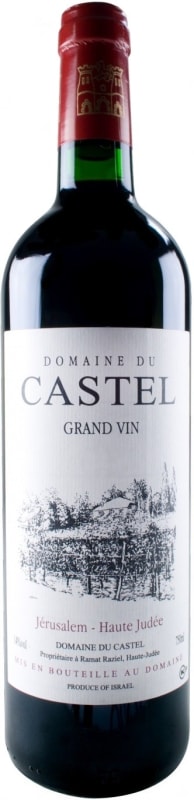


Winemaker Notes
Try pairing this wine with full flavored beef or chicken dishes.
Professional Ratings
-
Robert Parker's Wine Advocate
The 2014 Grand Vin is a blend of 46% Merlot, 42% Cabernet Sauvignon and 12% Petit Verdot, aged for 20 months in 60% new French oak. A bit heavy on the Merlot this year, for reasons noted in the accompanying producer note, this is dry and very classy. As always, it adds a layer of depth to the Petit Castel reviewed this issue and just a bit of power, but it is balanced as well as focused. If it lacks the vivid and hedonistic fruit of the 2013, it has a more serious, somewhat understated feel to it. It is a great wine to stick into a Bordeaux tasting as a ringer. The finish is fresh and complex, layered with a bright feel and some herbs. The longer this carefully-crafted red was open, the more I liked it. It is approachable young this year, unlike some Big Boys from the distant past, but it has more than enough structure to hold and age well. What that means in practice, we'll see—but it should improve over the next several years and hold well for at least a decade. I'm betting on a lot more, but let's see where we are when we get there.


One of the world’s most classic and popular styles of red wine, Bordeaux-inspired blends have spread from their homeland in France to nearly every corner of the New World. Typically based on either Cabernet Sauvignon or Merlot and supported by Cabernet Franc, Malbec and Petit Verdot, the best of these are densely hued, fragrant, full of fruit and boast a structure that begs for cellar time. Somm Secret—Blends from Bordeaux are generally earthier compared to those from the New World, which tend to be fruit-dominant.

With a rich history of wine production dating back to biblical times, Israel is a part of the cradle of wine civilization. Here, wine was commonly used for religious ceremonies as well as for general consumption. During Roman times, it was a popular export, but during Islamic rule around 1300, production was virtually extinguished. The modern era of Israeli winemaking began in the late 19th century with help from Bordeaux’s Rothschild family. Accordingly, most grapes grown in Israel today are made from native French varieties. Indigenous varieties are all but extinct, though oenologists have made recent attempts to rediscover ancient varieties such as Marawi for commercial wine production.
In Israel’s Mediterranean climate, humidity and drought can be problematic, concentrating much of the country’s grape growing in the north near Galilee, Samaria near the coast and at higher elevations in the east. The most successful red varieties are Cabernet Sauvignon, Merlot, and Syrah, while the best whites are made from Chardonnay and Sauvignon Blanc. Many, though by no means all, Israeli wines are certified Kosher.