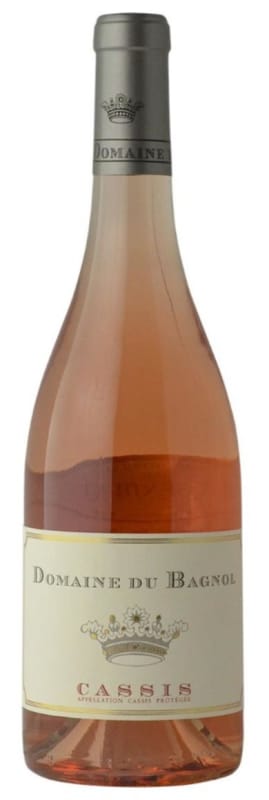


Winemaker Notes
No estate expresses the salt-kissed limestone-driven terroir of the idyllic Provençal seaside village of Cassis like Domaine du Bagnol, and the current generation, Sébastien Genovesi, crafts a rosé of scintillating energy, chiseled calcareous musculature, and gleaming red fruits. Comprising Grenache, Cinsault, and Mourvèdre, Bagnol's Cassis Rosé is pressed directly and rapidly to extract as little color as possible, and the bottled wine contains only 20 milligrams per liter of total sulfur—a factor which contributes to its gorgeous purity of texture and intense evocation of limestone soil.
Professional Ratings
-
Vinous
The 2025 Rosé Cassis entices with shavings of white peach and nectarine complemented by a whiff of lemon sorbet. Pleasantly sweet up front, it has a reverberation of zesty acidity and salty mineral tones that elevate its tart apple and melon notes. It maintains striking freshness, finishing long and stimulating to the senses as hints of kiwi flesh fade. Incredibly distinctive and impossible to put down.

Whether it’s playful and fun or savory and serious, most rosé today is not your grandmother’s White Zinfandel, though that category remains strong. Pink wine has recently become quite trendy, and this time around it’s commonly quite dry. Since the pigment in red wines comes from keeping fermenting juice in contact with the grape skins for an extended period, it follows that a pink wine can be made using just a brief period of skin contact—usually just a couple of days. The resulting color depends on grape variety and winemaking style, ranging from pale salmon to deep magenta.

This small, sunny, coastal appellation near Bandol, is classic Provence. Sheltering Cassis from the cool, northerly winds, locally called mistral, tall sea cliffs tower above the region on its northern border. Directly to the south of Cassis, the warm blue waters of the Mediterranean keep it decidedly warm and mild. Cassis produces predominantly full-bodied and herb-driven white wine from Clairette and Marsanne and makes a small amount of rosé and red wine from Mourvèdre, Grenache and Cinsault. Confusingly, the sweet blackcurrant liqueur, Creme de Cassis, does not from Cassis, but instead is a spcialty of Burgundy.