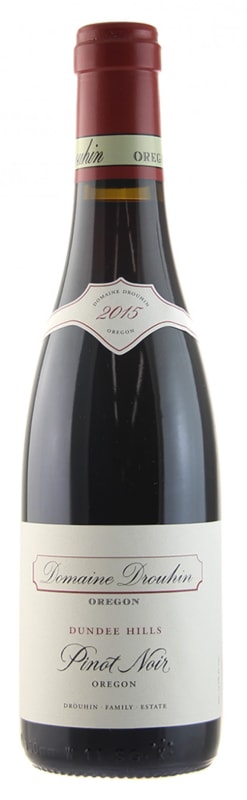


Winemaker Notes
Professional Ratings
-
James Suckling
A great pinot noir that shows dried flowers, violets and orchids. Cherry and raspberry undertones, too. Medium to full body with an incredible polished texture. Ripe and round tannins and a fresh and vibrant finish. Delicious now but better in 2020.
-
Tasting Panel
The presence of star fruit on the nose and elegant, sleek cherry on the palate is well-integrated throughout. It’s smooth, balanced, and also very Burgundian in style.
-
Wine Enthusiast
This delicious wine shows focused black cherry, cola, cream soda and baking spice flavors. It's perfectly balanced, with all components in proportion and settled nicely together. Drink now through 2022.
-
Wine Spectator
Vibrant and harmonious, with floral raspberry and savory sassafras flavors that glide along a gentle but structured finish. Drink now through 2024.
-
Robert Parker's Wine Advocate
Medium ruby-purple in color, the 2015 Dundee Hills Pinot Noir is still a little youthfully shy, revealing notes of black cherries and black raspberries with suggestions of violets and sautéed herbs. Medium-bodied, with lovely elegance and expression in the mouth, it has a fine backbone of silky tannins and plenty of latent layers just poking through on the persistent finish.


Thin-skinned, finicky and temperamental, Pinot Noir is also one of the most rewarding grapes to grow and remains a labor of love for some of the greatest vignerons in Burgundy. Fairly adaptable but highly reflective of the environment in which it is grown, Pinot Noir prefers a cool climate and requires low yields to achieve high quality. Outside of France, outstanding examples come from in Oregon, California and throughout specific locations in wine-producing world. Somm Secret—André Tchelistcheff, California’s most influential post-Prohibition winemaker decidedly stayed away from the grape, claiming “God made Cabernet. The Devil made Pinot Noir.”

Home of the first Pinot noir vineyard of the Willamette Valley, planted by David Lett of Eyrie Vineyard in 1966, today the Dundee Hills AVA remains the most densely planted AVA in the valley (and state). To its north sits the Chehalem Valley and to its south, runs the Willamette River. Within the region’s 12,500 acres, about 1,700 are planted to vine on predominantly basalt-based, volcanic, Jory soil.