

Winemaker Notes
Professional Ratings
-
Robert Parker's Wine Advocate
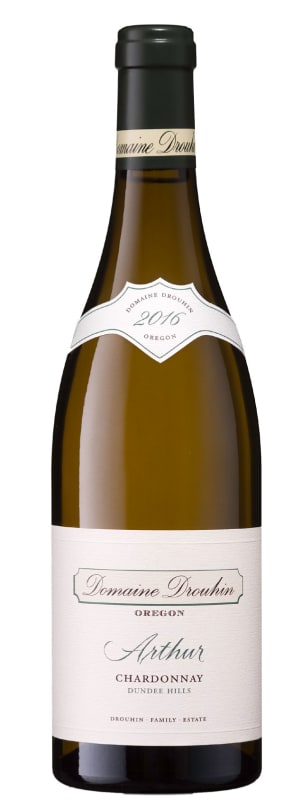
The 2016 Chardonnay Estate Arthur has a lovely open nose of red apple skin and yellow pear with nuances of tangy Greek yogurt, toast and lemon pith. Light to medium-bodied, it has good concentration of tree fruits in the mouth with touches of honey and white blossoms with great juicy acidity, finishing long with a touch of texture. 3,375 cases produced.


One of the most popular and versatile white wine grapes, Chardonnay offers a wide range of flavors and styles depending on where it is grown and how it is made. While it tends to flourish in most environments, Chardonnay from its Burgundian homeland produces some of the most remarkable and longest lived examples. California produces both oaky, buttery styles and leaner, European-inspired wines. Somm Secret—The Burgundian subregion of Chablis, while typically using older oak barrels, produces a bright style similar to the unoaked style. Anyone who doesn't like oaky Chardonnay would likely enjoy Chablis.

Home of the first Pinot noir vineyard of the Willamette Valley, planted by David Lett of Eyrie Vineyard in 1966, today the Dundee Hills AVA remains the most densely planted AVA in the valley (and state). To its north sits the Chehalem Valley and to its south, runs the Willamette River. Within the region’s 12,500 acres, about 1,700 are planted to vine on predominantly basalt-based, volcanic, Jory soil.