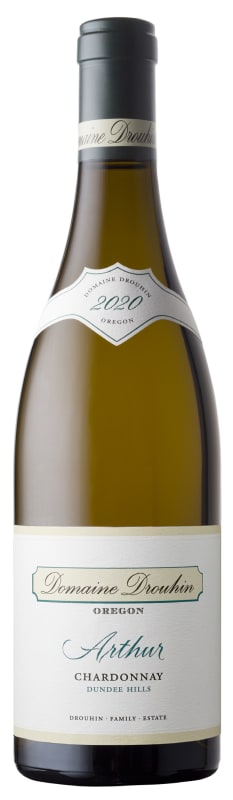


Winemaker Notes
The 2020 Chardonnay Arthur opens to a classic bouquet of white flowers, Anjou pear, and golden apple. The palate is nuanced and balanced with a sense of minerality and honeyed lemon zest. Small berries and strict selection at harvest resulted in the intensity of flavors on display. The 2020 Arthur combines strength and finesse, has nice acidity, and features a medium-long finish that will likely expand as the wine ages over the next 7-10 years.
Professional Ratings
-
Jeb Dunnuck
The 2020 Chardonnay Arthur pours a pale straw hue and is sunny with ripe pear, lemon curd, and lightly toasted oak spice. The palate is juicy with pure green apple and lime candy and is floral with vanilla oak spice.
-
James Suckling
Aromas of lemon peel, white peach, sliced pear and fresh flowers. Medium-bodied with wet-mineral character and hints of flint and steel. Nicely done.
-
Wine Spectator
Expressive and delicately complex, with apple blossom, orange peel and zesty spice flavors that finish with a fresh lift of acidity.
-
Robert Parker's Wine Advocate
The 2020 Chardonnay Arthur is scented of baked apples, pie crust, jasmine and flint. The medium-bodied palate is gently rounded with ripe apple flavors, tangy acidity and a long, perfumed finish.


One of the most popular and versatile white wine grapes, Chardonnay offers a wide range of flavors and styles depending on where it is grown and how it is made. While it tends to flourish in most environments, Chardonnay from its Burgundian homeland produces some of the most remarkable and longest lived examples. California produces both oaky, buttery styles and leaner, European-inspired wines. Somm Secret—The Burgundian subregion of Chablis, while typically using older oak barrels, produces a bright style similar to the unoaked style. Anyone who doesn't like oaky Chardonnay would likely enjoy Chablis.

Home of the first Pinot noir vineyard of the Willamette Valley, planted by David Lett of Eyrie Vineyard in 1966, today the Dundee Hills AVA remains the most densely planted AVA in the valley (and state). To its north sits the Chehalem Valley and to its south, runs the Willamette River. Within the region’s 12,500 acres, about 1,700 are planted to vine on predominantly basalt-based, volcanic, Jory soil.