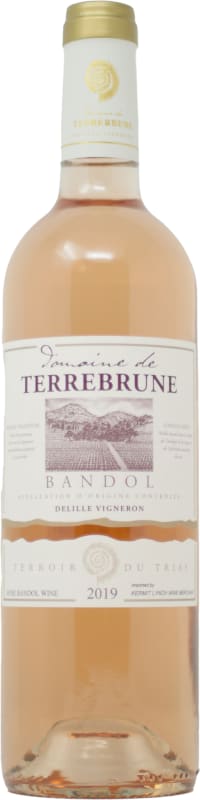


Winemaker Notes
Exotic nose dominated by pomelo; then the broom, the honeysuckle, the wet roses emerge, and then develop the complexity of a pot pourri of flower petals. The palate is marked by the delicate structure of its bitters. Its intensely fruity flavors are enhanced by the minty and peppery side.
Blend: 60% Mourvèdre, 20% Grenache, 20% Cinsault
This racy, expressive rosé will develop its full potential in harmony with the fresh and exotic summer cuisine, to then find its place in its development with structured and complex dishes.
Professional Ratings
-
Robert Parker's Wine Advocate
The 2019 Bandol Rosé from Domaine Terrebrune showcases the aging potential of Bandol rosé. Evoking aromas of grapefruit, spices, honey and confit lemon, it's medium to full-bodied, round and supple with a delicate, tense mid-palate and a fresh, mouthwatering finish enhanced by delicate notes of rose and spices.


Whether it’s playful and fun or savory and serious, most rosé today is not your grandmother’s White Zinfandel, though that category remains strong. Pink wine has recently become quite trendy, and this time around it’s commonly quite dry. Since the pigment in red wines comes from keeping fermenting juice in contact with the grape skins for an extended period, it follows that a pink wine can be made using just a brief period of skin contact—usually just a couple of days. The resulting color depends on grape variety and winemaking style, ranging from pale salmon to deep magenta.

Provence’s leader in concentrated and age-worthy red wines, Bandol is home to the dense, deep and earthy Mourvèdre grape. Like Châteauneuf-du-Pape, Bandol produces characterful reds that, while approachable in their youth, are typically designed for the cellar.
Given its coastal, Provencal situation, Bandol also naturally produces an assortment of charming, aromatic rosés made of Mourvèdre, Grenache and Cinsault.