


Winemaker Notes
Pair with mixed salads, crustaceans and rockfish, white meat, Provencal cuisine, but also exotic dishes.
Professional Ratings
-
Robert Parker's Wine Advocate
One of the stars of my blind tasting was Terrebrune's 2017 Bandol Rose, a blend of 60% Mourvèdre with 20% each Cinsault and Grenache. Crushed stone and briny notes accent peach aromas, while the medium-bodied palate is creamy and complex, a whirl of savory-umami flavors that finish salty and long.
-
Wine & Spirits
Terrebrune means “brown earth” in French, a reference to the color of the soil that overlays the blue-limestone bedrock at Reynald Delille’s estate in Ollioules. Mourvèdre thrives here, taking on the chewy density that defines Bandol reds—a quality that also informs this rosé. Close your eyes and you may, in fact, mistake it for a darker wine, with its musky, floral fruit scents and meaty cherry flavors; meanwhile, notes of forest floor and sea spray place the wine squarely on the Mediterranean coast. It’s ready for sliced steak salads this summer, or a long spell in the cellar.
-
James Suckling
Amber-orange tinge with aromas of roasted hazelnuts, brioche, orange curd, nutmeg and spiced apples. It’s full-bodied, spicy and flavorful, with creamy and oily layers and a tasty, weighty finish. 60% mourvedre with grenache and cinsault. From organically grown grapes. Drink now.

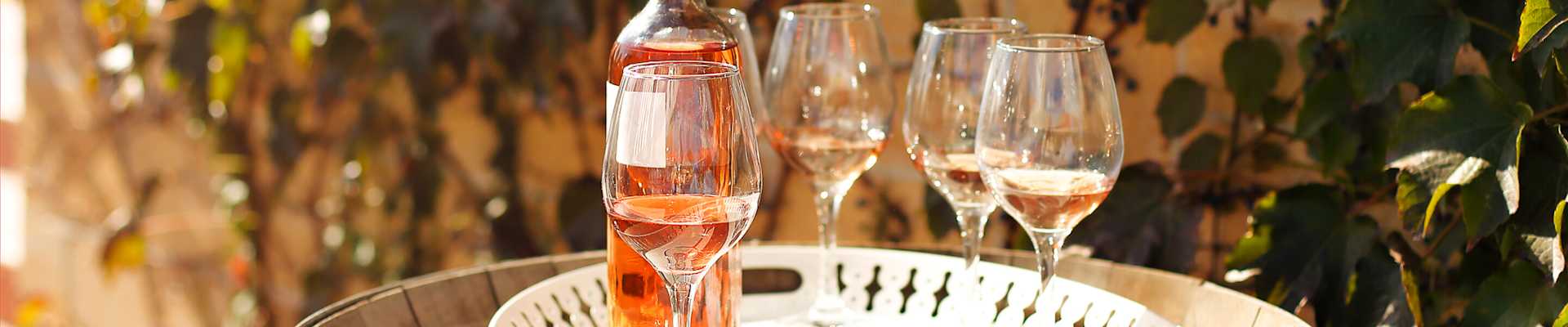
Whether it’s playful and fun or savory and serious, most rosé today is not your grandmother’s White Zinfandel, though that category remains strong. Pink wine has recently become quite trendy, and this time around it’s commonly quite dry. Since the pigment in red wines comes from keeping fermenting juice in contact with the grape skins for an extended period, it follows that a pink wine can be made using just a brief period of skin contact—usually just a couple of days. The resulting color depends on grape variety and winemaking style, ranging from pale salmon to deep magenta.

Provence’s leader in concentrated and age-worthy red wines, Bandol is home to the dense, deep and earthy Mourvèdre grape. Like Châteauneuf-du-Pape, Bandol produces characterful reds that, while approachable in their youth, are typically designed for the cellar.
Given its coastal, Provencal situation, Bandol also naturally produces an assortment of charming, aromatic rosés made of Mourvèdre, Grenache and Cinsault.