


Winemaker Notes
The defining features of Terrebrune’s terroir are its direct proximity to the Mediterranean, in the path of cooling sea breezes, and the distinctive soil from which the vines emerge—reddish clay over fissured limestone from the Triassic era, extremely rare in Bandol. Both contribute to the house style: these are lean, taut, and focused wines of great elegance capable of long-term aging. No need to wait, though—this precise, mineral blend of Clairette, Ugni Blanc, and Bourboulenc has an ethereal perfume, reminiscent of blossoming flowers with a hint of fennel, that makes it irresistible right now.

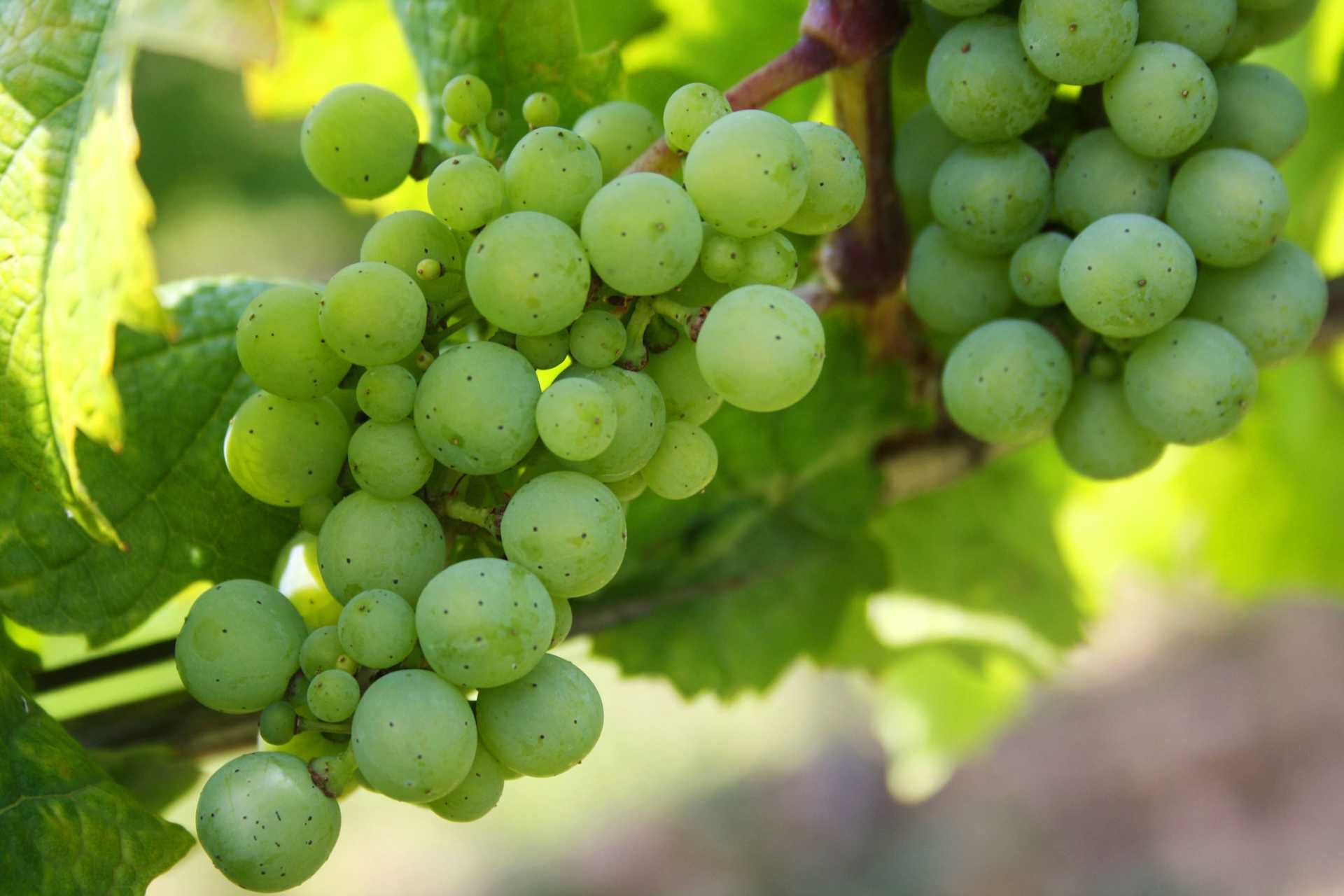
With hundreds of white grape varieties to choose from, winemakers have the freedom to create a virtually endless assortment of blended white wines. In many European regions, strict laws are in place determining the set of varieties that may be used in white wine blends, but in the New World, experimentation is permitted and encouraged. Blending can be utilized to enhance balance or create complexity, lending different layers of flavors and aromas. For example, a variety that creates a soft and full-bodied white wine blend, like Chardonnay, would do well combined with one that is more fragrant and naturally high in acidity. Sometimes small amounts of a particular variety are added to boost color or aromatics. Blending can take place before or after fermentation, with the latter, more popular option giving more control to the winemaker over the final qualities of the wine.

Provence’s leader in concentrated and age-worthy red wines, Bandol is home to the dense, deep and earthy Mourvèdre grape. Like Châteauneuf-du-Pape, Bandol produces characterful reds that, while approachable in their youth, are typically designed for the cellar.
Given its coastal, Provencal situation, Bandol also naturally produces an assortment of charming, aromatic rosés made of Mourvèdre, Grenache and Cinsault.