


Winemaker Notes
An unusually complex white. It will keep you busy trying to name those fruits,
flowers, and spices that keep zinging around, if you enjoy such an exercise.
Professional Ratings
-
Decanter
This particularly aromatic white is amazingly perfumed on the nose, coming from the most south-easterly of the appellation with a strong maritime influence. The fruit is vibrantly perfumed Sorrento lemons with crunchy green apples, lemon pith and a fresh leafiness. Behind this perfumed zestiness lies stony minerality, chalky texture and mouthwatering salinity, also a hint of smoky gun flint. Silky and supple with a lovely phenolic intensity, it is the lovely length and perfumed freshness which carries this wine.
-
James Suckling
This has aromas of fresh pears, jasmine flowers, blanched almonds, chopped apples and honey. Some wild herbs and lavender, too. It’s creamy and fragrant, with a full body and gently oily texture. 50% clairette, 20% ugni blanc, 20% bourboulenc, rolle and marsanne. From organically grown grapes. Drink now.
-
Robert Parker's Wine Advocate
Hints of brine, honey and green apple appear on the nose of Terrebrune's 2021 Bandol Blanc, an assemblage of 50% Clairette, 20% each Bourboulenc and Ugni Blanc, plus 5% each Marsanne and Rolle. Medium-bodied, it's fleshy and mouthcoating, yet still finishes on a refreshing, citrus-zest note. I suspect I may be underrating its potential longevity, given its impressive freshness and verve.

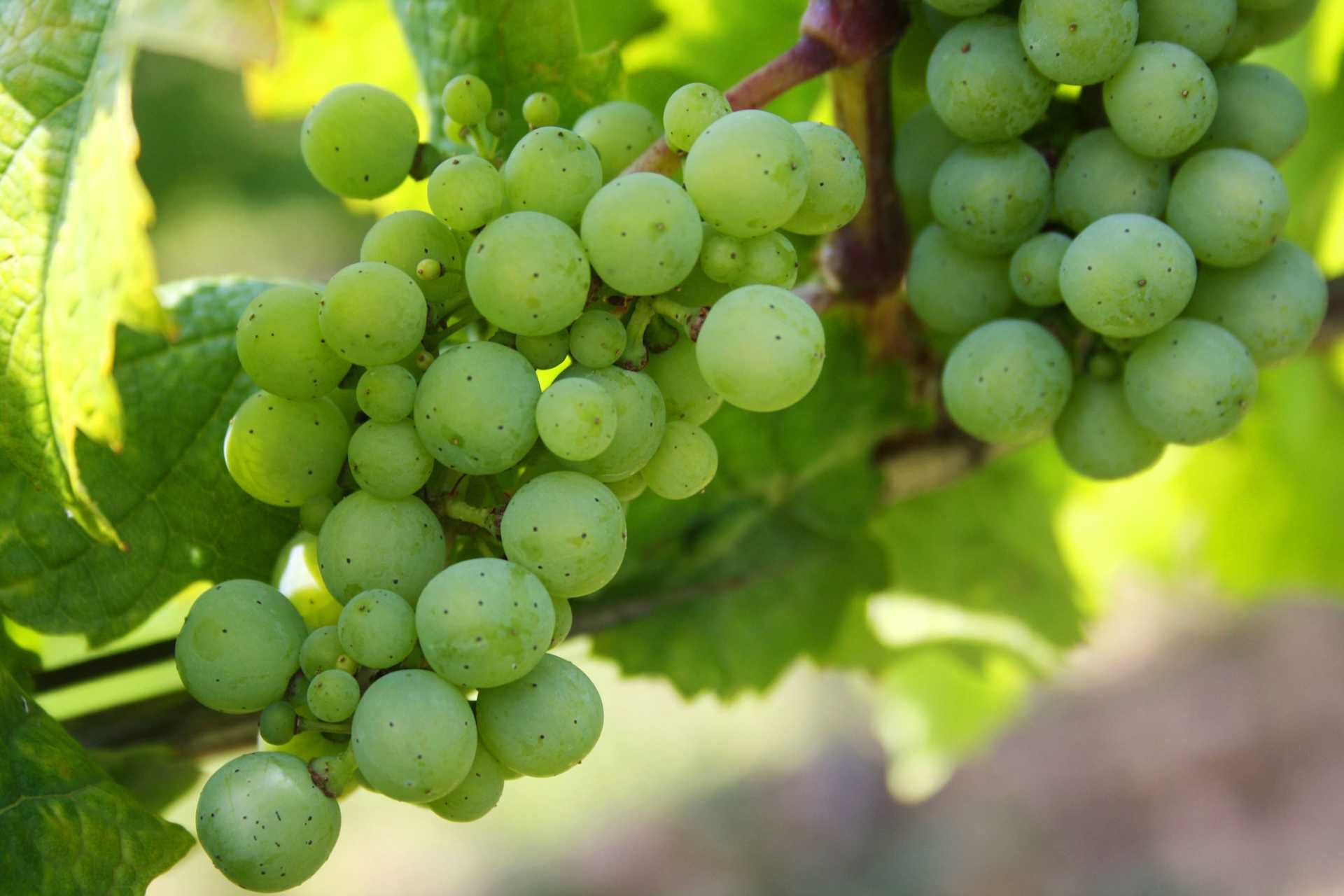
With hundreds of white grape varieties to choose from, winemakers have the freedom to create a virtually endless assortment of blended white wines. In many European regions, strict laws are in place determining the set of varieties that may be used in white wine blends, but in the New World, experimentation is permitted and encouraged. Blending can be utilized to enhance balance or create complexity, lending different layers of flavors and aromas. For example, a variety that creates a soft and full-bodied white wine blend, like Chardonnay, would do well combined with one that is more fragrant and naturally high in acidity. Sometimes small amounts of a particular variety are added to boost color or aromatics. Blending can take place before or after fermentation, with the latter, more popular option giving more control to the winemaker over the final qualities of the wine.

Provence’s leader in concentrated and age-worthy red wines, Bandol is home to the dense, deep and earthy Mourvèdre grape. Like Châteauneuf-du-Pape, Bandol produces characterful reds that, while approachable in their youth, are typically designed for the cellar.
Given its coastal, Provencal situation, Bandol also naturally produces an assortment of charming, aromatic rosés made of Mourvèdre, Grenache and Cinsault.