

Winemaker Notes

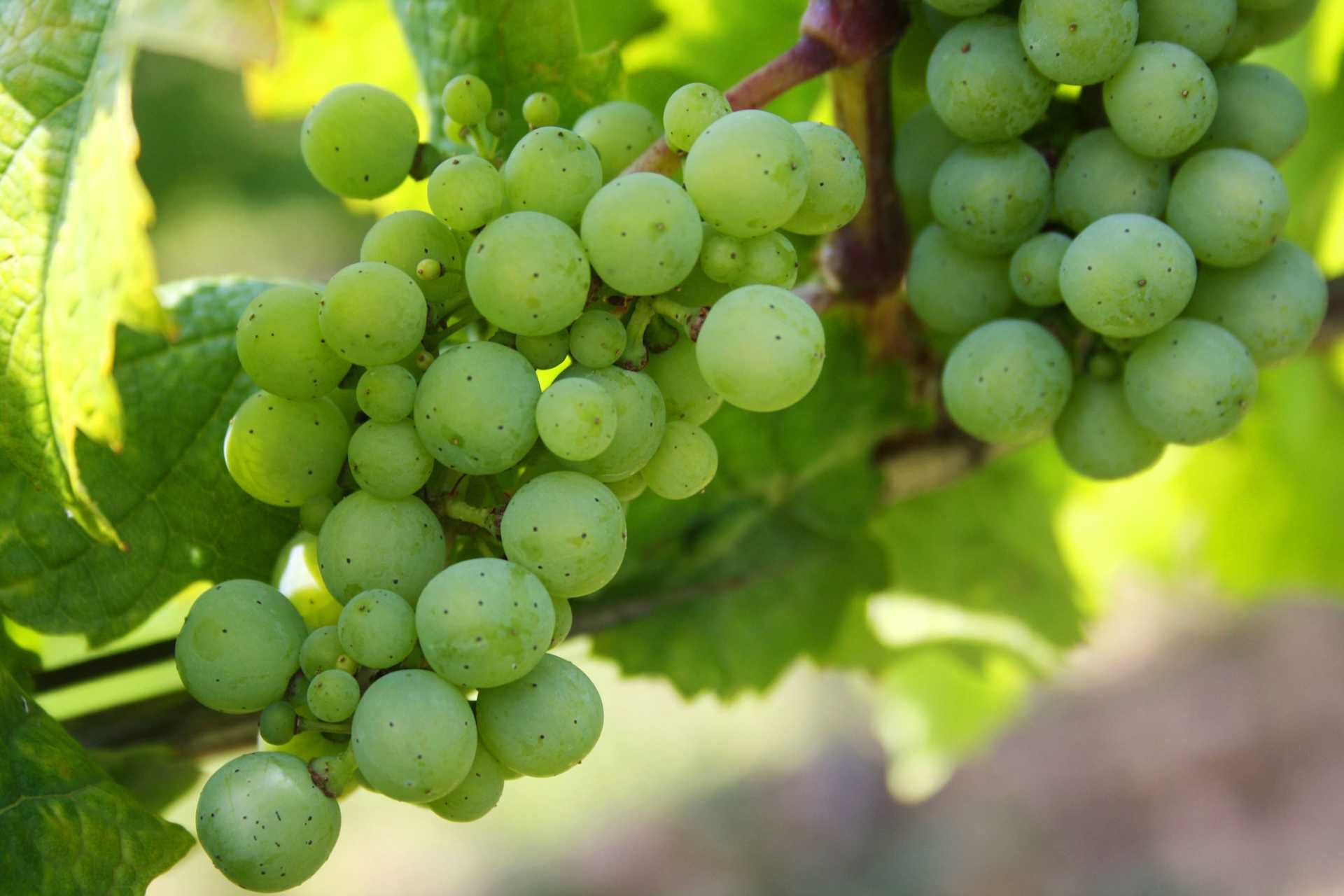
With hundreds of white grape varieties to choose from, winemakers have the freedom to create a virtually endless assortment of blended white wines. In many European regions, strict laws are in place determining the set of varieties that may be used in white wine blends, but in the New World, experimentation is permitted and encouraged. Blending can be utilized to enhance balance or create complexity, lending different layers of flavors and aromas. For example, a variety that creates a soft and full-bodied white wine blend, like Chardonnay, would do well combined with one that is more fragrant and naturally high in acidity. Sometimes small amounts of a particular variety are added to boost color or aromatics. Blending can take place before or after fermentation, with the latter, more popular option giving more control to the winemaker over the final qualities of the wine.

An appellation full of some of the most delightful and particularly charming reds, Côtes du Rhône Villages includes the best villages of the greater Côtes du Rhône appellation. The possibility for an appellation promotion exists for every named village but each has to achieve and prove superior quality before an upgrade will be granted. The main ones today are Gigondas, Vacqueyras, Beaumes-de-Venise, Vinsobres, Rasteau and Cairanne.
The Gigondas appellation, while sometimes producing wines with a touch of rusticity, can often rival Chateauneuf-du-Pape. Its elevations are higher and soils richer in limestone. Vacqueyras reds are more concentrated than the more general Côtes du Rhône reds and must be at least one half comprised of Grenache by law. Beaumes de Venise also includes some excellent higher elevation spots for making snappy, fruity and spicy reds but historically the appellation’s esteem came from its fragrant, sweet and golden Muscat de Beaumes-de-Venise.