


Winemaker Notes
Professional Ratings
-
Robert Parker's Wine Advocate
I was particularly keen on the 2014 L'Etoile En Banode, which is a 50/50 field blend of Chardonnay and Savagnin planted in 1970 by Nicole's father, picked together and fermented together. En Banode is the name of the vineyard. The idea of Nicole’s father was that by fermenting together, he’d preserve more of the character of the soil, which is not the usual procedure, because in Jura the tradition was to always harvest and ferment Chardonnay and Savagnin separately. This is dry, with tension, and it has a lot of character with depth and pungent flavors, focused and clear. This is really very good.

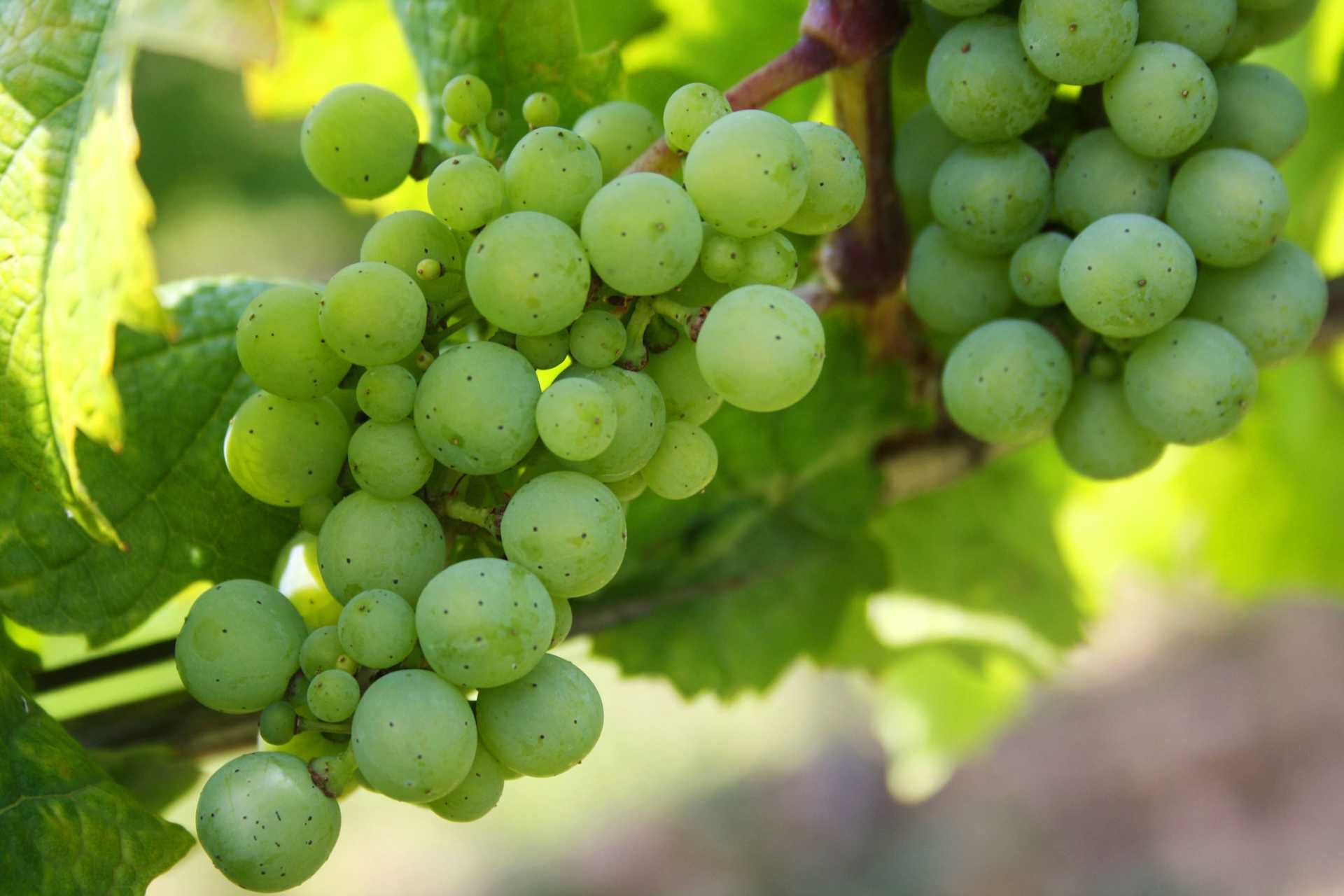
With hundreds of white grape varieties to choose from, winemakers have the freedom to create a virtually endless assortment of blended white wines. In many European regions, strict laws are in place determining the set of varieties that may be used in white wine blends, but in the New World, experimentation is permitted and encouraged. Blending can be utilized to enhance balance or create complexity, lending different layers of flavors and aromas. For example, a variety that creates a soft and full-bodied white wine blend, like Chardonnay, would do well combined with one that is more fragrant and naturally high in acidity. Sometimes small amounts of a particular variety are added to boost color or aromatics. Blending can take place before or after fermentation, with the latter, more popular option giving more control to the winemaker over the final qualities of the wine.

On the foothills of the Jura Mountains, just east of the Cote de Beaune on the Switzerland border, the Jura wine-producing zone is recognized for its unique reds, as well as its particular and diverse styles of whites.
Though borrowed from their neighbor Burgundy, Chardonnay and Pinot noir have been growing in Jura since the Middle Ages. But here the altitude, topography, climate and clay-rich, marl soils support a different style of Pinot noir, not to mention its other deeply-colored, full-bodied indigenous reds, Poulsard and Trousseau.
Considering area under vine, growers here favor Chardonnay for its consistency and reliability; it comprises almost half of Jura's vineyard acreage. However, Jura Chardonnay is anything but boring; its many offbeat styles are part of what make region’s wines so distinctive. It is used for Cremant (sparkling), Macvin (a fortified wine), as well as fine examples at the quality level of Burgundy.
Jura also has a unique oxidative style for Chardonnay but is better recognized for its similarly-styled “vin jaune,” meaning ‘yellow wine,’ which is made from the indigenous variety, Savagnin. Vin jaune is made using techniques similar to those used to make Sherry.
For all of its wines, Jura favors a traditional, natural and often organic style in viticulture and winemaking.