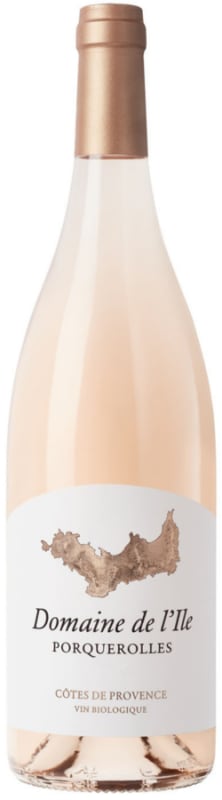


Winemaker Notes
The color is straightforward, revealing hints of coral and amber. The precision of this vintage is characterised by an enveloping nose of tea leaves and eucalyptus, followed by notes of licorice. The attack is supple, without altering the acidity, and develops generously on the palate. This acidity, by its relief, catches the aromas of pomelo and preserves a beautiful tension which combines two sensations, the crunchy yet caressing velvet of almonds. The spicy framework of the Mourvèdre grape is present right through to the finish. Finally, the long-awaited iodine never fails to make an appearance.
Blend: 32% Grenache, 26% Syrah, 23% Cinsault, 13% Mourvèdre, 6% Tibouren
Professional Ratings
-
Jeb Dunnuck
Another terrific rosé from this estate, the 2023 Cotes De Provence Porquerolles Rosé is a more mineral-driven, savory, almost salty effort that has beautiful darker framboise and strawberry notes as well as some spice, chalky nuances. I love its overall balance, it has medium-bodied richness, plenty of depth, and a clean, dry, salivating finish. It's beautifully done and just about heaven with tapas.
-
James Suckling
A vivid, precise and delicious rosé with aromas of forest berries, red currants and stones. It’s medium-bodied with bright acidity and character. Lively and well crafted. From organically grown grapes.


Whether it’s playful and fun or savory and serious, most rosé today is not your grandmother’s White Zinfandel, though that category remains strong. Pink wine has recently become quite trendy, and this time around it’s commonly quite dry. Since the pigment in red wines comes from keeping fermenting juice in contact with the grape skins for an extended period, it follows that a pink wine can be made using just a brief period of skin contact—usually just a couple of days. The resulting color depends on grape variety and winemaking style, ranging from pale salmon to deep magenta.

Cotes de Provence is an extensive but valuable appellation that includes vineyards bordering the main Provencal appellations. Its sites vary from subalpine hills, which receive the cooling effects of the mountains to the north, to the coastal St-Tropez, a region mainly influenced by the warm Mediterranean sunshine.
Here the focus is on quality rosé, as it defines four fifths of the region’s wines. Following in the rosé footsteps, a lot of new effort is going into the region’s red production as well. A new generation has turned its focus on high quality Grenache, Syrah, Cinsault and Carignan. Cotes de Provence white wines, which represent a miniscule part of the region as far as volume, are nonetheless worthy of consideration and can include any combination of Clairette, Semillon, Ugni Blanc and Vermentino.