

Winemaker Notes
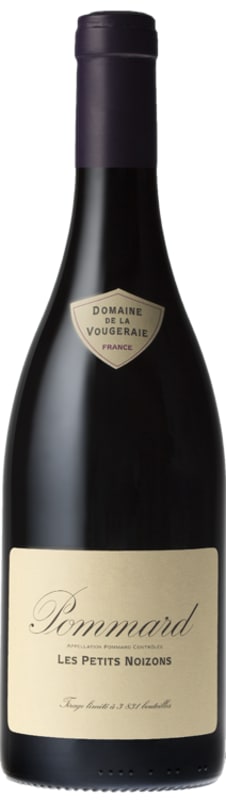
This large, south-facing parcel covering more than one hectare was replanted between 1985 and 1989. This sun-drenched vineyard, ideally situated at the top of the hillside, benefits from an excellent reflection of heat onto the grapes. The Petits Noizons vines grow in a very pebbly, soil, (chalky and often alluvial), of great depth. The results are a relatively powerful wine, with good structure and high quality.


Thin-skinned, finicky and temperamental, Pinot Noir is also one of the most rewarding grapes to grow and remains a labor of love for some of the greatest vignerons in Burgundy. Fairly adaptable but highly reflective of the environment in which it is grown, Pinot Noir prefers a cool climate and requires low yields to achieve high quality. Outside of France, outstanding examples come from in Oregon, California and throughout specific locations in wine-producing world. Somm Secret—André Tchelistcheff, California’s most influential post-Prohibition winemaker decidedly stayed away from the grape, claiming “God made Cabernet. The Devil made Pinot Noir.”

Representing some of the darkest, deepest and sturdiest Pinot Noir of Burgundy, Pommard is one of the two villages in Côte de Beaune—along with Volnay—that is recognized for its impressive Pinot Noir. While it can’t boast any Grands Crus vineyards, its extraordinary Premiers Crus vineyards are aplenty.
Les Pézerolles, Les Épenots, Clos des Épeneaux, Les Chanlins, Les Jarolières, Les Fremiers and particularly Les Rugiens are among the most outstanding Premiers Crus.
The best Pommards will be concentrated in flavors such as black cherry, blackberry and dark chocolate, have dazzling aromas of violets, menthol or wild herbs and a firm and powerful finish. They typically demand some time in the bottle to reach their peak.