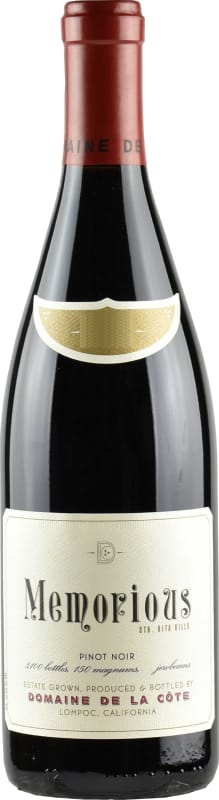


Winemaker Notes
Professional Ratings
-
James Suckling
Very structured, almost thick in tannins, with deep black cherries and violets on the nose, then white stones, iron, iodine and earthy accents on the palate. While substantial in texture and more medium than light in body, it's not at all heavy, and will no doubt age well for many years. Drink now or hold.
-
Robert Parker's Wine Advocate
Echoing my notes from last year's tasting before bottling, the 2023 Pinot Noir Memorious is shaping up to be a beautiful combination of polished, weightless, herbal and saline, despite its dark and brooding reticence on the nose. Derived from the westernmost portion of the estate on soils with a higher proportion of clay, the texture is beautifully lacy and dexterous, with a long, layered, gently structured finish highlighting salinity and elegantly tenacious tannic grip.
-
Vinous
The 2023 Pinot Noir Memorious is supremely elegant. Floral overtones, blood orange, lavender and white pepper flesh out in a delicate yet well-articulated wine of great nuance. Beneath the hood lies a wealth of powerful structure, likely a function of the clay in the soil here. The Memorious is beautiful today, but based on the track record of these wines, it will only get better with time.
-
Wine Spectator
This has a distinct density -- showing intensity without heaviness -- as its core of red and black cherry fruit bristles with grilled savory and flint notes. A very racy underpinning through the finish leaves echos of kirsch and wet slate. Very distinctive. Best from 2026 through 2036.


Thin-skinned, finicky and temperamental, Pinot Noir is also one of the most rewarding grapes to grow and remains a labor of love for some of the greatest vignerons in Burgundy. Fairly adaptable but highly reflective of the environment in which it is grown, Pinot Noir prefers a cool climate and requires low yields to achieve high quality. Outside of France, outstanding examples come from in Oregon, California and throughout specific locations in wine-producing world. Somm Secret—André Tchelistcheff, California’s most influential post-Prohibition winemaker decidedly stayed away from the grape, claiming “God made Cabernet. The Devil made Pinot Noir.”
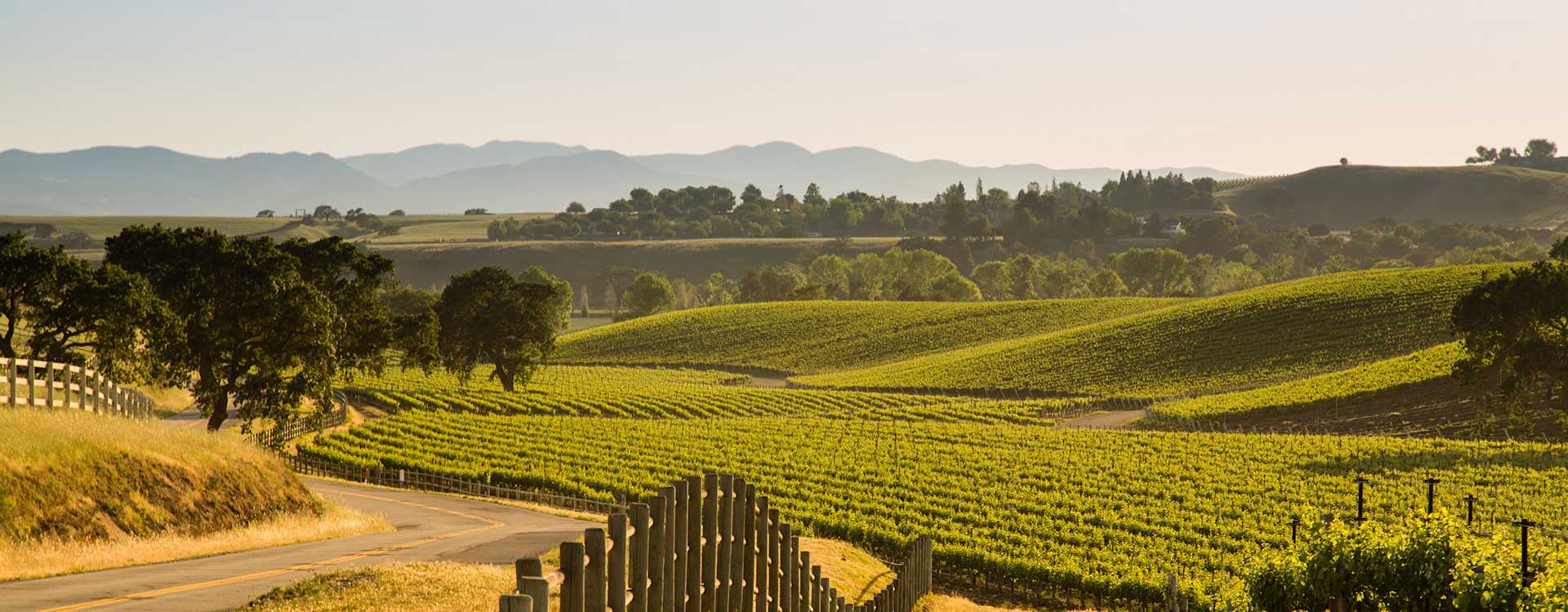
A superior source of California Chardonnay and Pinot Noir, Sta. Rita Hills is the coolest, westernmost sub-region of the larger Santa Ynez Valley appellation within Santa Barbara County. This relatively new AVA is unquestionably one to keep an eye on.
The climate of Sta. Rita Hills is a natural match for Chardonnay and Pinot noir, thanks to the crisp ocean breezes and well-drained, limestone-rich calcareous soil. Here, grapes ripen just enough, while retaining brisk acidity and harmonious balance.