


Winemaker Notes
Downslope from Bloom’s Field, just above Santa Ynez River Monterey shale, alluvial deposits. Whole cluster ferment in open concrete tanks.
Professional Ratings
-
James Suckling
Crushed stone, raspberry and strawberry character. Medium-bodied with density and a toned structured. White pepper notes come through. Racy and bright. Drink or hold.
-
Wine Enthusiast
This very young wine possesses an immensely layered profile, so expect lots of exciting evolution in the years to come. Dense aromas of bay leaf, wild mint, damp peppercorns and yerba santa relay the stem inclusion on the nose. Tense, angular tannins frame the palate, where muddled elderberry and plum flavors play against the intense herbaceousness.
-
Wine Spectator
Alluring, with singed black tea and sandalwood nuances leading off, followed by a core of red and black cherry fruit flavors that bristle with coiled-up energy, while tobacco, warm earth and savory notes infuse the finish. Reveals a nice buried iron edge, too. This needs some cellaring to fully unwind. Best from 2025 through 2035.
-
Robert Parker's Wine Advocate
The 2021 Pinot Noir Memorious comes from the smallest parcel at Domaine de la Côte (about three acres), where vines grow on clay soils and are subjected to lots of wind. It has a pale ruby-purple color and scents of wild raspberry and blackberry with nuances of tangerine, dried herbs and lavender. The palate is light-bodied and delicately styled with chalky tannins and energetic acidity, finishing long and perfumed.


Thin-skinned, finicky and temperamental, Pinot Noir is also one of the most rewarding grapes to grow and remains a labor of love for some of the greatest vignerons in Burgundy. Fairly adaptable but highly reflective of the environment in which it is grown, Pinot Noir prefers a cool climate and requires low yields to achieve high quality. Outside of France, outstanding examples come from in Oregon, California and throughout specific locations in wine-producing world. Somm Secret—André Tchelistcheff, California’s most influential post-Prohibition winemaker decidedly stayed away from the grape, claiming “God made Cabernet. The Devil made Pinot Noir.”
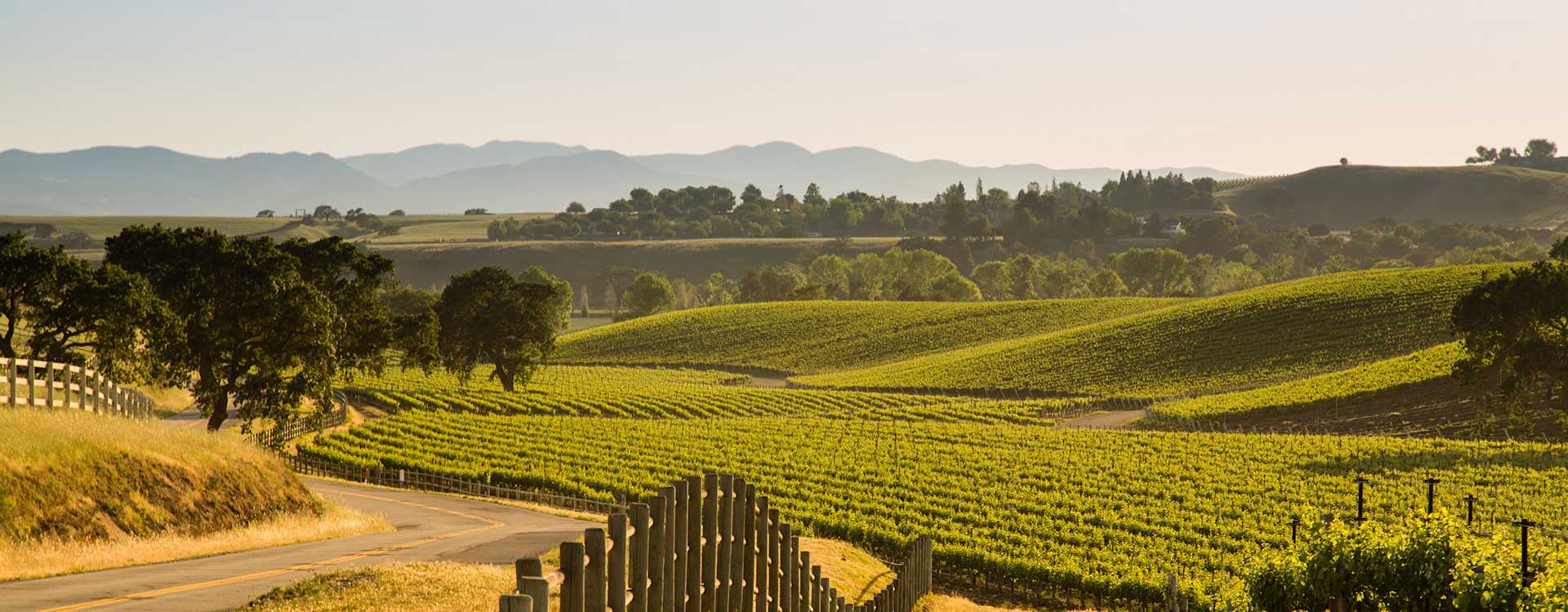
A superior source of California Chardonnay and Pinot Noir, Sta. Rita Hills is the coolest, westernmost sub-region of the larger Santa Ynez Valley appellation within Santa Barbara County. This relatively new AVA is unquestionably one to keep an eye on.
The climate of Sta. Rita Hills is a natural match for Chardonnay and Pinot noir, thanks to the crisp ocean breezes and well-drained, limestone-rich calcareous soil. Here, grapes ripen just enough, while retaining brisk acidity and harmonious balance.