


Winemaker Notes
Besides aromas of very ripe fruit, it is generally laced with notes of spice and garrigue scrubland scents specific to this terroir. Appealing tannic structure, a rounded body, rich and powerful... this is the Beaurenard's typically strong character.
Professional Ratings
-
Jeb Dunnuck
Both the 2017s showed brilliantly. The 2017 Rasteau offers a raspberry and blackberry core of fruit as well as complex notes of sappy garrigue, mint, and even a hint of basil. Based on 80% Grenache, 17% Syrah, and 3% Mourvèdre, brought up in foudre, drink this medium to full-bodied, seamless Rasteau any time over the coming 5-7 years.


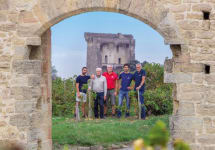
The Coulons have estate-bottled their wines since the early 1900’s. Paul Coulon's father and grandfather were instrumental in creating the regulations of the Appellation Contrôlée system (Chateauneuf du Pape was France's first appellation contrôlée, in 1929). Detail oriented, meticulous to the point of perfectionism, visitors can peruse not only the informative Musée du Vin below their Rasteau vineyard, but detailed volumes for each vintage with ground temperatures, rainfall, hours of sunlight, etc.
Domaine de Beaurenard portfolio includes: Cotes du Rhone Rouge & Rose, Cotes du Rhone Villages Rasteau, Chateauneuf du Pape Rouge & Blanc and Chateauneuf du Pape Cuvee Boisrenard which is consistently one of Robert Parker and Stephen Tanzer's most highly rated Rhone wines.

With bold fruit flavors and accents of sweet spice, Grenache, Syrah and Mourvèdre form the base of the classic Rhône Red Blend, while Carignan, Cinsault and Counoise often come in to play. Though they originated from France’s southern Rhône Valley, with some creative interpretation, Rhône blends have also become popular in other countries. Somm Secret—Putting their own local spin on the Rhône Red Blend, those from Priorat often include Merlot and Cabernet Sauvignon. In California, it is not uncommon to see Petite Sirah make an appearance.

A highly successful southern Rhone village promoted to Cotes du Rhone Villages status because of its intense and heady red wines, Rasteau is also recognized for its fortified wine, Vin Doux Naturel. Grenache is responsible for both styles. Rasteau also produces refreshing white and rosé table wines.