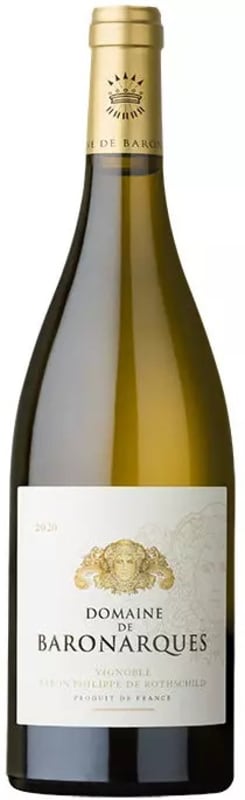


Winemaker Notes
The wine is crystal-clear with green highlights. The refined and elegant nose reveals pear and tropical fruit aromas together with hints of nutmeg and puff pastry. The clean and fresh attack leads into a generous, full-bodied and voluptuous mid-palate on notes of honey and acacia blossom, building to a long, lingering and very harmonious finish.
Blend: 98% Chardonnay, 2% Chenin Blanc
Professional Ratings
-
James Suckling
This has very pretty energy and focus with sliced melon, pears, stone and fresh ginger. Dried flowers. Citrus, too. Medium-bodied with a solid density of fruit with white peaches and honey. Tangy and flavorful. Drink or hold.


One of the most popular and versatile white wine grapes, Chardonnay offers a wide range of flavors and styles depending on where it is grown and how it is made. While it tends to flourish in most environments, Chardonnay from its Burgundian homeland produces some of the most remarkable and longest lived examples. California produces both oaky, buttery styles and leaner, European-inspired wines. Somm Secret—The Burgundian subregion of Chablis, while typically using older oak barrels, produces a bright style similar to the unoaked style. Anyone who doesn't like oaky Chardonnay would likely enjoy Chablis.

While Limoux also produces both white and red wines, it is ultimately recognized as a sparkling wine zone. Blanquette de Limoux is the region’s original sparkler, which is based on Mauzac with small amounts of Chardonnay and/or Chenin Blanc. The more rustic and traditional version, Blanquette Méthode Ancestrale, is an often cloudy and sweeter sparkling wine made exclusively from Mauzac.
In the 1990s, the region created the more modern, Crémant de Limoux, for international markets.