


Winemaker Notes
Professional Ratings
-
James Suckling
A lovely and flavorful rosé, as always. It’s pure sciacarello with pretty aromas of apples, pomegranates and hints of plums. Flavorful yet subtle, with a long and flavorful finish. Intense at the end. A longtime favorite rosé from France. Medium-bodied. Lots going on. From biodynamically grown grapes with Demeter certification.
-
Wine Spectator
Expressive rose perfume and an orange blossom note introduce this relatively bold style, which shows personality, complexity and energy, with a rich palate of citrus cream, quince and wild strawberry sitting atop a bed of firming mineral details. Sciaccarellu and Barbarossa. Drink now. 210 cases imported.

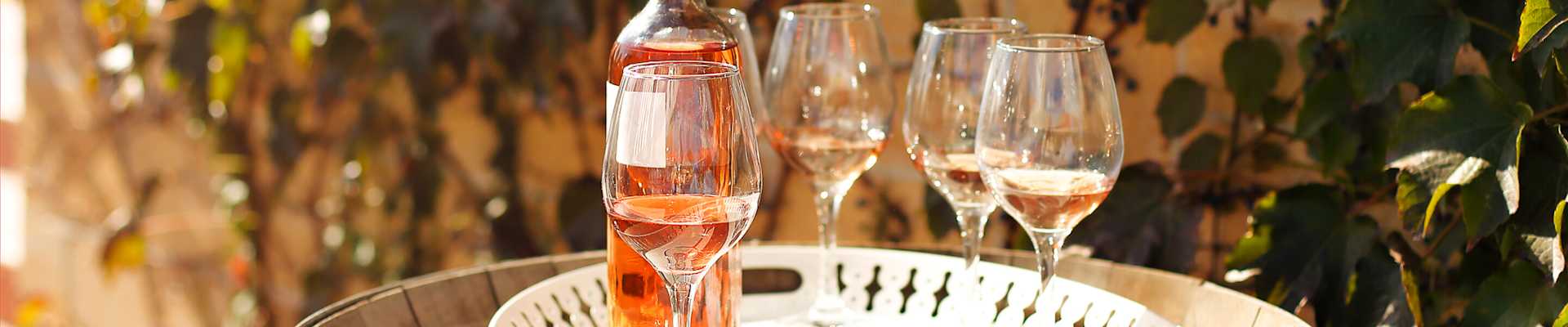
Whether it’s playful and fun or savory and serious, most rosé today is not your grandmother’s White Zinfandel, though that category remains strong. Pink wine has recently become quite trendy, and this time around it’s commonly quite dry. Since the pigment in red wines comes from keeping fermenting juice in contact with the grape skins for an extended period, it follows that a pink wine can be made using just a brief period of skin contact—usually just a couple of days. The resulting color depends on grape variety and winemaking style, ranging from pale salmon to deep magenta.

A mountainous, Mediterranean island covered in vineyards, Corsica, while closer to Italy in proximity and history, is today under France's political jurisdiction. The island is home to a mix of Italian and French grapes, typically planted at high elevations. Niellucciu (Sangiovese), Sciacarellu (Mammolo), and Vermentino (Rolle) are the main grape varieties of Corsica, and account for about two thirds of all Corsican wines produced.