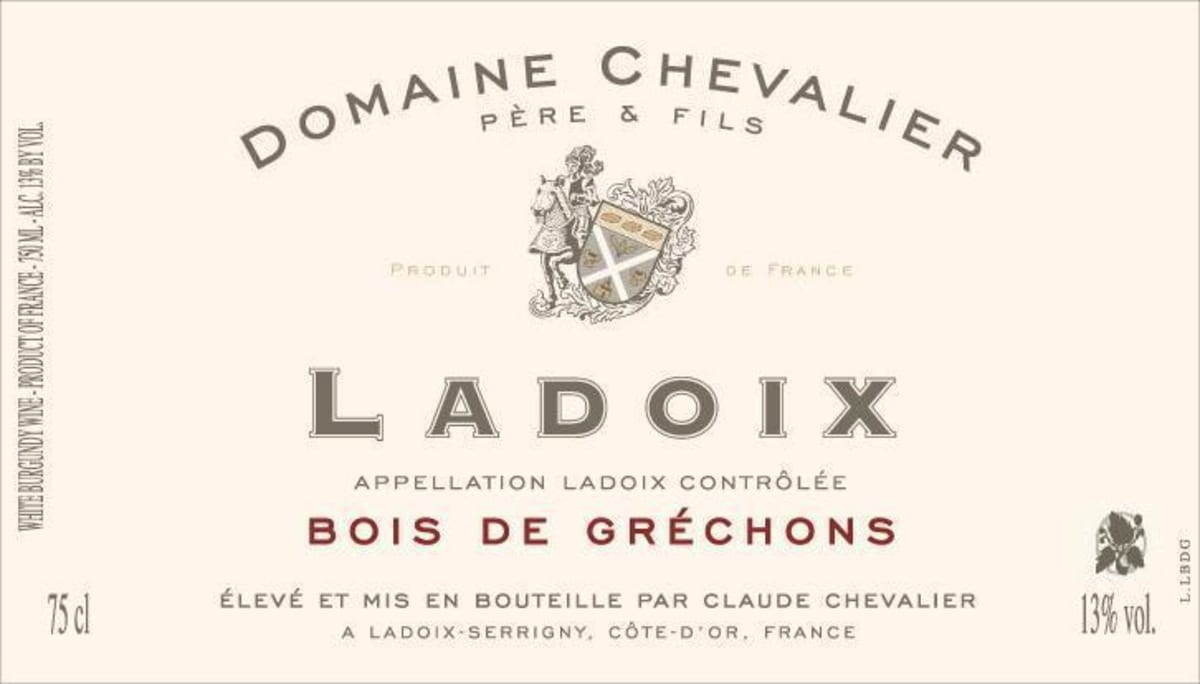

Winemaker Notes

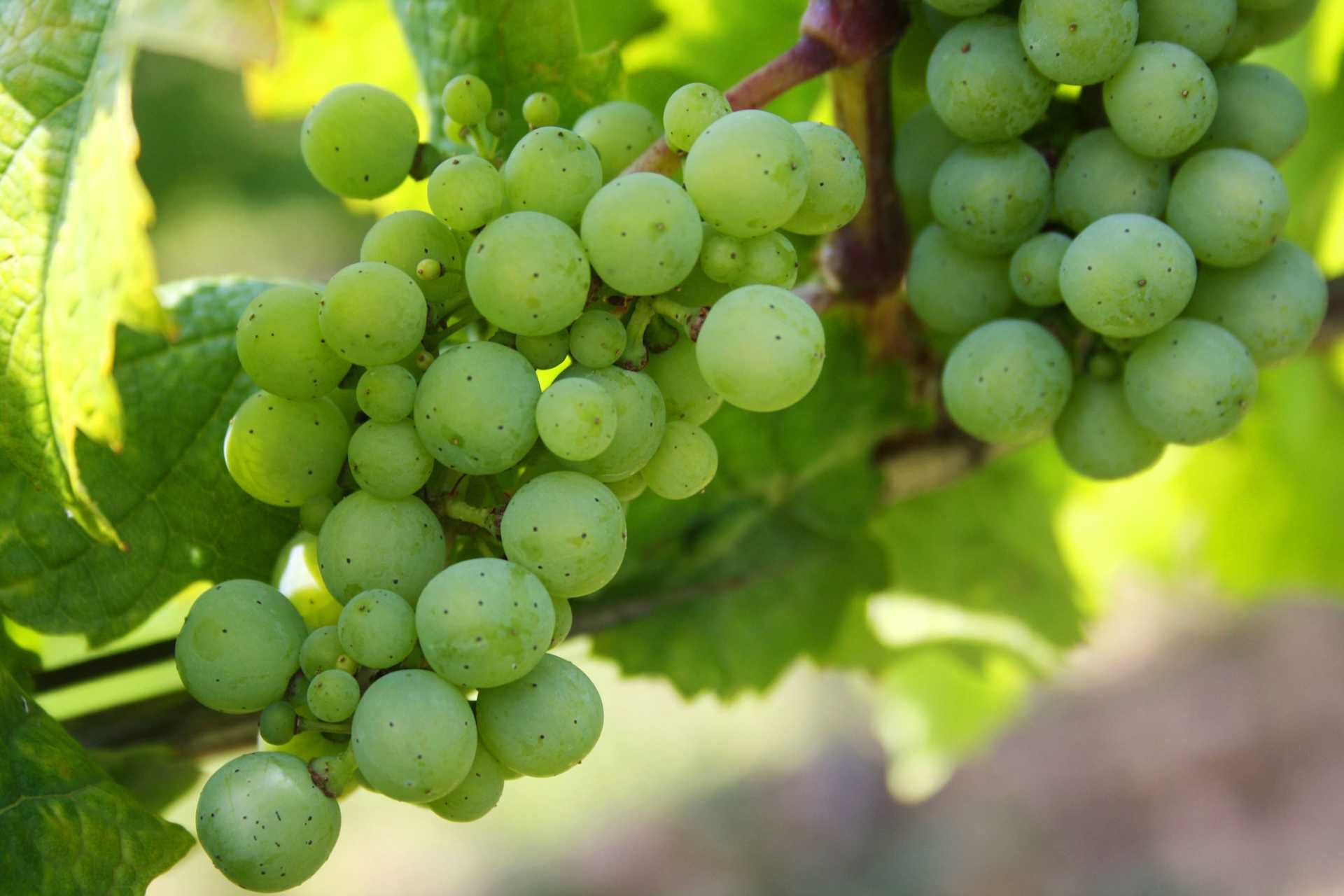
With hundreds of white grape varieties to choose from, winemakers have the freedom to create a virtually endless assortment of blended white wines. In many European regions, strict laws are in place determining the set of varieties that may be used in white wine blends, but in the New World, experimentation is permitted and encouraged. Blending can be utilized to enhance balance or create complexity, lending different layers of flavors and aromas. For example, a variety that creates a soft and full-bodied white wine blend, like Chardonnay, would do well combined with one that is more fragrant and naturally high in acidity. Sometimes small amounts of a particular variety are added to boost color or aromatics. Blending can take place before or after fermentation, with the latter, more popular option giving more control to the winemaker over the final qualities of the wine.

A classic source of exceptional Chardonnay as well as Pinot Noir, the Côte de Beaune makes up the southern half of the Côte d’Or. Its principal wine-producing villages are Pernand-Vergelesses, Aloxe-Corton, Beaune, Pommard, Volnay, Meursault, Puligny-Montrachet and Chassagne-Montrachet.
The area is named for its own important town of Beaune, which is essentially the center of the Burgundy wine business and where many negociants center their work. Hospices de Beaune, the annual wine auction, is based here as well.