

Winemaker Notes
Professional Ratings
-
Robert Parker's Wine Advocate
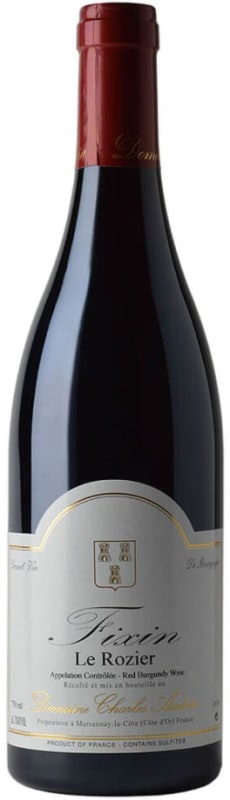
If you’ve ever wondered what minerality in red Burgundy tastes like, here is a daringly mineral wine that’s like stepping to the edge of a precipice, then looking over the edge. So much energy on the tightly focused and highly structured palate, the crushed-stone finish dragging you along with it. Very saline right at the end. Drink or hold.


Thin-skinned, finicky and temperamental, Pinot Noir is also one of the most rewarding grapes to grow and remains a labor of love for some of the greatest vignerons in Burgundy. Fairly adaptable but highly reflective of the environment in which it is grown, Pinot Noir prefers a cool climate and requires low yields to achieve high quality. Outside of France, outstanding examples come from in Oregon, California and throughout specific locations in wine-producing world. Somm Secret—André Tchelistcheff, California’s most influential post-Prohibition winemaker decidedly stayed away from the grape, claiming “God made Cabernet. The Devil made Pinot Noir.”

Inhabiting the northern reaches of the Côte de Nuits of Burgundy, the Pinot Noir vineyards of Fixin abut Gevrey-Chambertin and produce wines of similar character. The appellation is full of well-reputed Premier Crus that offer some very fine Pinot Noir, even if not quite delivering the exact precision and elegance—nor price tag—of a Gevrey-Chambertin Grand Cru. These are Les Arvelets and Les Hervelets, Clos de la Perrière, Clos Napoléon and Clos du Chapître. A classic Pinot Noir from Fixin will be rich in dark fruit, underbrush and exhibit good structure and minerality.